Location: Eastern Germany, on the River Elbe.
Gateway City: Dresden (Capital of Saxony).
Currency: Euro (EUR).
Language: German (English is widely understood in tourist areas).
Time Zone: Central European Time (CET, UTC+1).
Best Time to Visit: May–September for warm weather and open-air events; December for the famous Dresden Christmas Market.
Main Train Station/Airport: Dresden-Neustadt Bahnhof. Can also fly into Dresden Airport (DRS).
Getting Around: Compact and walkable city; efficient tram and bus network; regional trains for day trips; ferries across the Elbe add a local touch.
What to Expect
Dresden, the capital of Saxony, is a city of resilience and artistry — once nearly destroyed during WWII, it has been lovingly rebuilt into one of Germany’s most beautiful destinations. Expect Baroque architecture, riverside charm, and a thriving creative scene that bridges old and new. The city is compact and walkable, making it ideal for slow exploration. From ornate palaces to quirky passages and chocolate cafés, Dresden offers a taste of both elegance and eccentricity.
Day 1: Arrival & Old Town Charm
- Arrive in Dresden by train from Munich (or another German hub). Train travel in Germany is seamless and efficient — the best way to see the countryside.
- Tip: Book seat reservations in advance, especially when traveling in groups.
- Check into the Hotel Bülow Palais — a 5-minute walk from the station and one of the most elegant properties in the city. The hotel has an old-world charm with spacious rooms, and its in-house restaurant holds a Michelin star — definitely make a reservation if you plan to dine in.
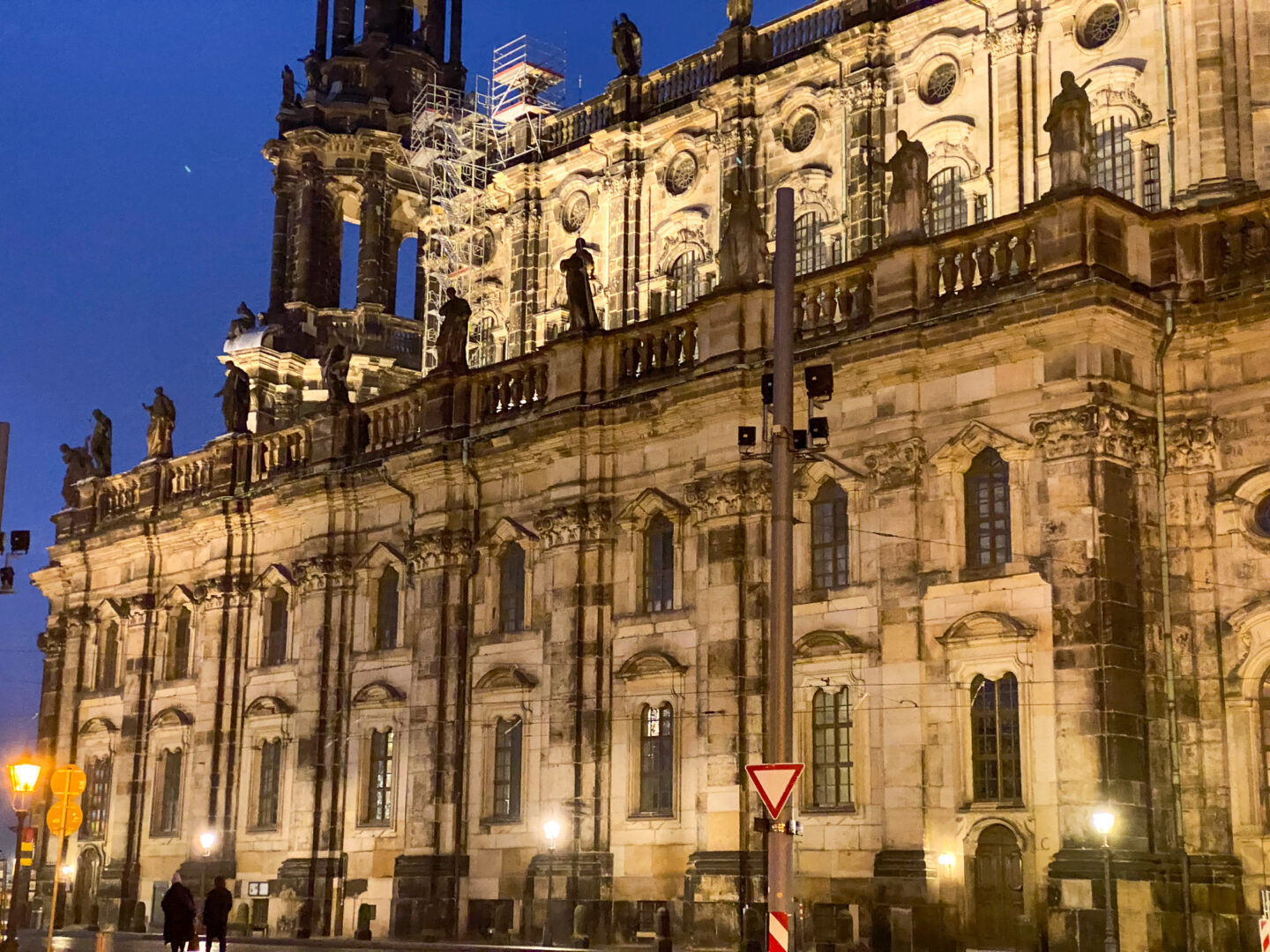
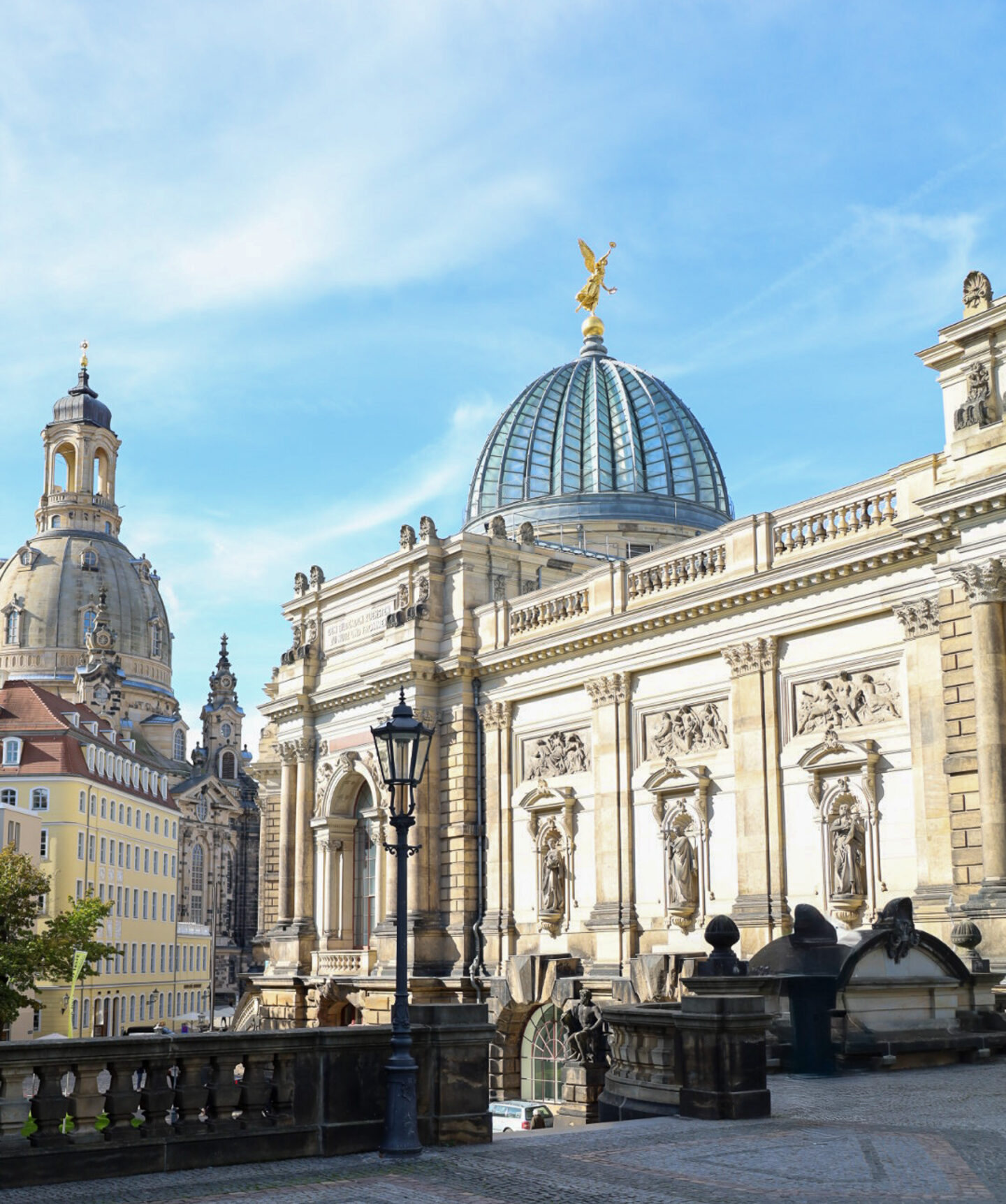
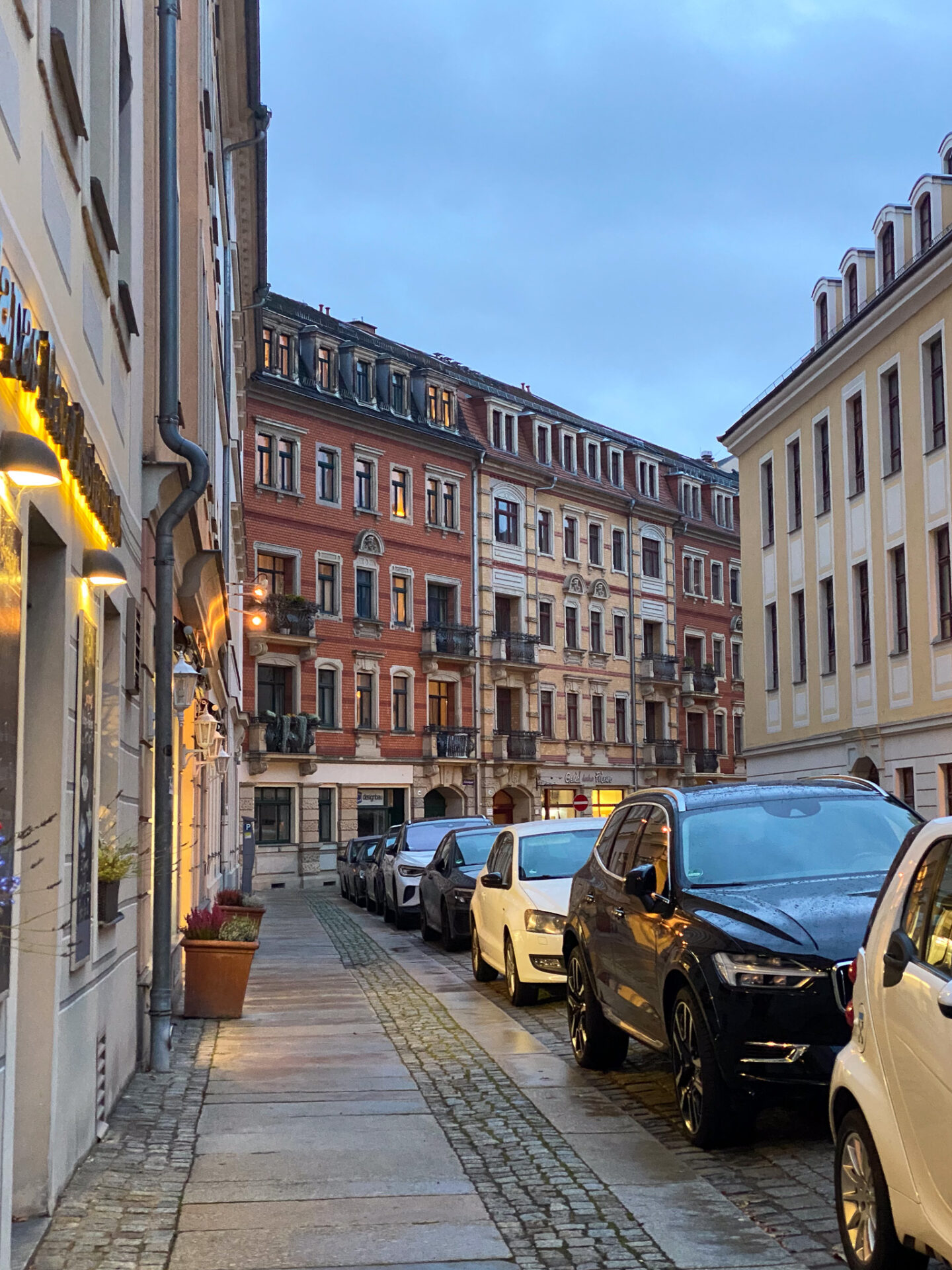
- Spend the afternoon strolling through Dresden’s Old Town (Altstadt), where Baroque architecture and cobbled streets transport you back in time.
- Have dinner at Museum Restaurant in the Old Town — refined, beautifully plated dishes in an elegant setting. Though the menu is compact, it has excellent vegetarian options. A perfect introduction to Dresden’s culinary scene.
Day 2: Local Life & The “Florence of the North”
- Start your morning in Neustadt, the “new town” across the Elbe River.
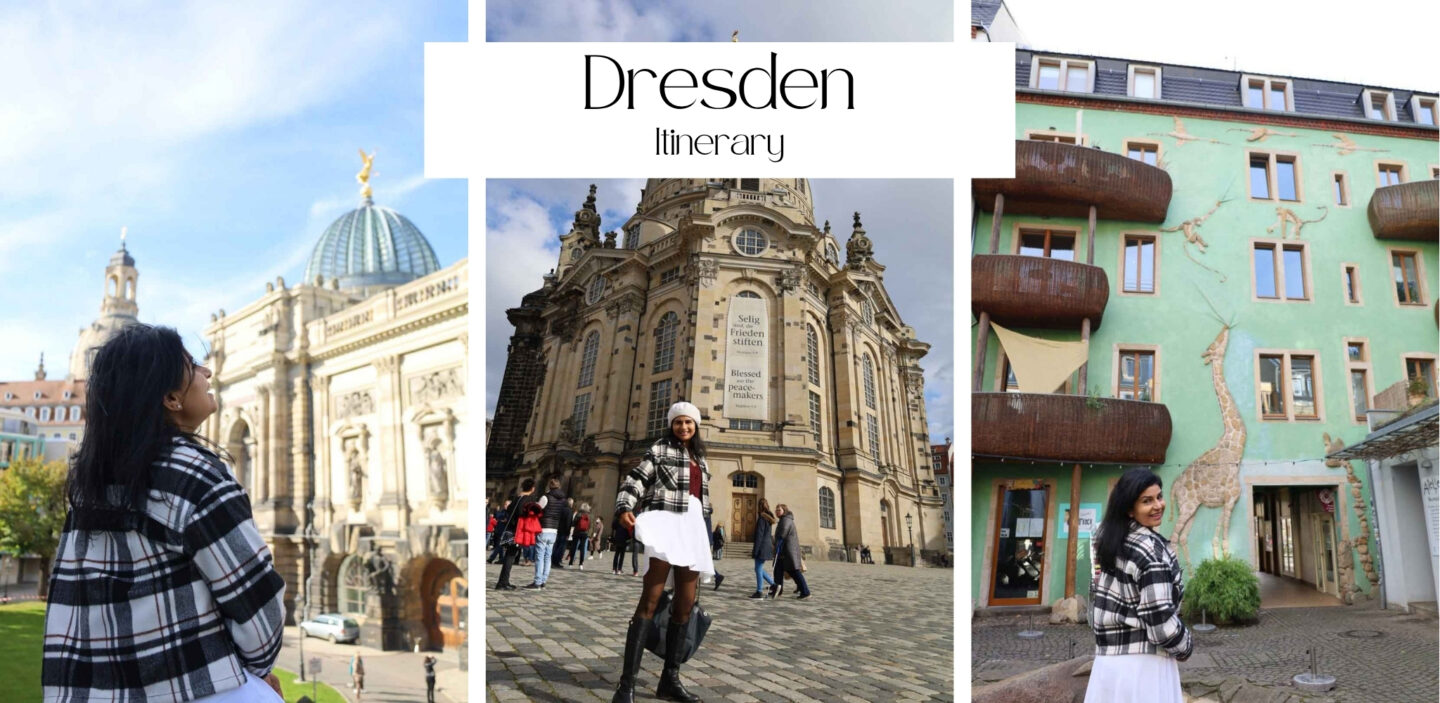
- Visit the Kunsthof Passage, a colorful maze of artistically designed courtyards and buildings — each façade tells a whimsical story through art, color, and sound.
- Stop by the Dresden Molkerei (Milk Shop) — one of the most beautiful dairy shops in the world. It sells artisanal milk-based goods from chocolates to cheeses, and even skincare products.
- Take the ferry from Neustadt to Altstadt — it’s a quick 2-minute crossing, offering a lovely perspective of Dresden’s skyline along the Elbe.
- In the Altstadt, explore Dresden’s cultural heart:
- The Zwinger Palace, home to art galleries and Baroque gardens.
- The Frauenkirche, Dresden’s most iconic church, rebuilt from wartime ruins.
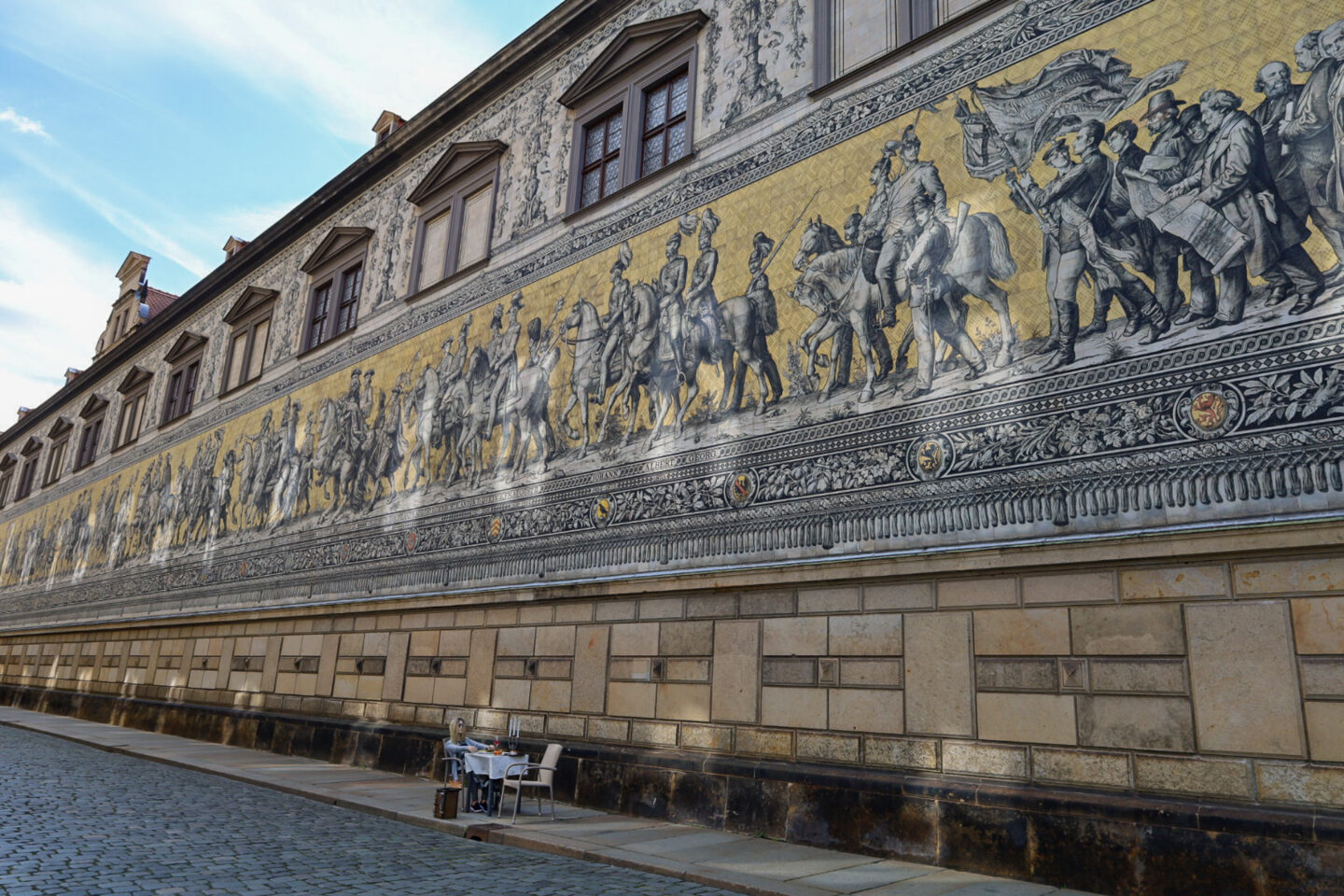
- The Procession of Princes mural — an intricate 102-meter-long artwork made from Meissen porcelain tiles.
- Visit the Chocolate Museum and indulge in Dresden’s specialty — a rich, velvety hot chocolate that’s a local favorite.
- For shopping, stop by Altmarkt-Galerie, a large mall housing international and German brands.
- On your way back, browse local pastry tents — a spontaneous find near the hotel with delicious regional sweets.
- Have dinner at Kyros, a Syrian restaurant — though not highly recommended, it offers a glimpse into Dresden’s international food scene.
- Optional: Dresden has a vibrant nightlife, with cozy bars and riverside spots perfect for a post-dinner drink.
Day 3: Castles, Cliffs & Countryside
- After breakfast, take a 30-minute drive to Schloss Weesenstein, a medieval castle with a Baroque chapel. The castle’s layout is fascinating, with its castle built over centuries — newer structures sitting below older ones due to terrain shifts.
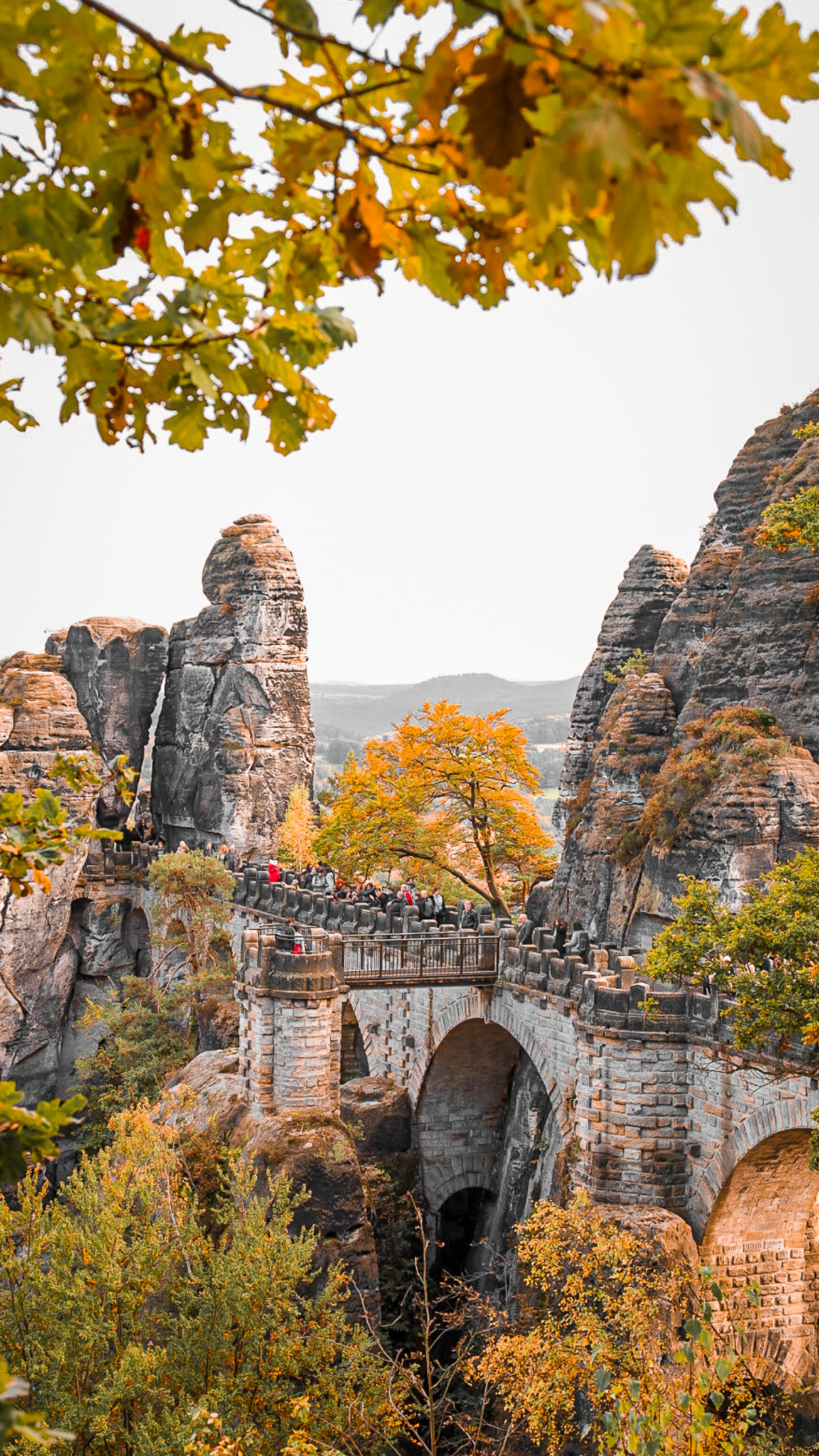
- Continue to the Bastei rock formation above the Elbe River in the Elbe Sandstone Mountains — one of Saxony’s most striking natural landmarks.
- The stone bridge and panoramic viewpoints make it a photographer’s dream.
- Choose between easy or more challenging hiking routes, depending on your preference.
- At the base of the Bastei lies a charming village with local restaurants — stop for lunch at a rustic spot known for smoked trout, sausages, and hearty German soup. The food is simple but deeply flavorful — an authentic Saxon experience.
- On your return journey, stop by Pirna, a postcard-perfect town near Dresden.