Location: Southern Mexico, in the state of Oaxaca, nestled within the Oaxaca Valley and surrounded by the Sierra Madre mountain ranges.
Gateway City: Oaxaca de Juárez.
Currency: Mexican Peso (MXN).
Language: Spanish; many Indigenous languages are also spoken throughout the region.
Time Zone: Central Standard Time (CST, UTC−6).
Best Time to Visit: November to April during the dry season; late October and early November for Día de los Muertos celebrations.
Main Airport: Oaxaca International Airport (OAX), approximately 20–30 minutes from the historic center.
Getting Around: Walkable within Centro Histórico, Jalatlaco, and Xochimilco; taxis and drivers are useful for day trips to Monte Albán, Hierve el Agua, Mitla, and surrounding villages.
What to Expect
Oaxaca is one of those places that quietly gets under your skin. At first, you think you’re going for the food—the mole, mezcal, markets, smoky tlayudas, and endless chocolate. But then the city starts revealing itself in layers: bougainvillea-filled courtyards, women making tortillas by hand, cobblestone streets glowing in the afternoon light, centuries-old ruins overlooking the valley, and boutique hotels so beautiful you’ll want to photograph every corner.
Often considered one of Mexico’s most culturally rich destinations, Oaxaca offers the perfect balance of food, history, artisan traditions, and slow travel. One moment you’re exploring ancient archaeological sites, the next you’re shopping for handcrafted textiles, sipping mezcal on a rooftop, or lingering over a meal that feels deeply connected to place. This itinerary is ideal for a first visit, especially if you’re looking for a mix of culture, food, shopping, history, and plenty of unhurried wandering.
Day 1 — Historic Oaxaca & First Impressions
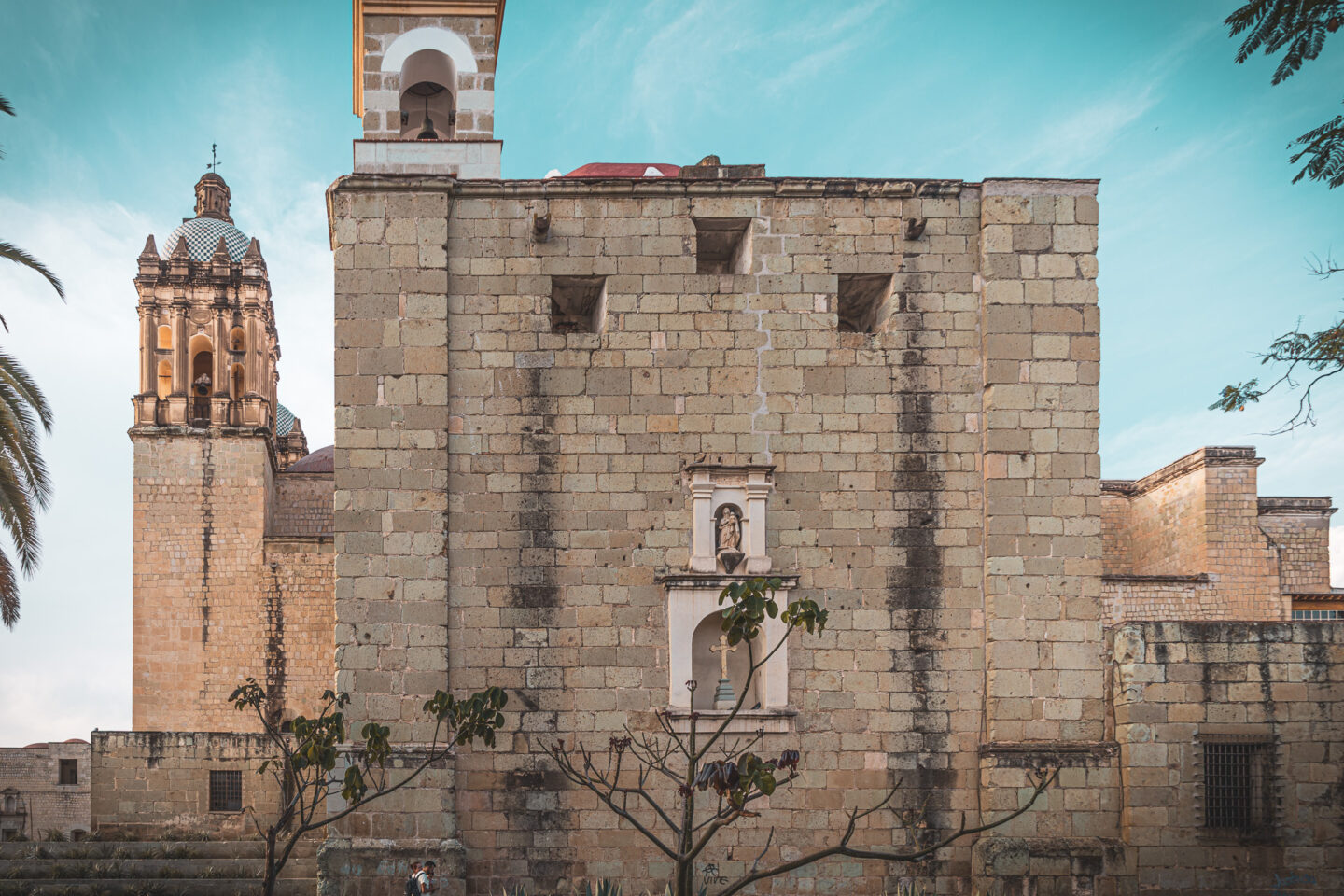
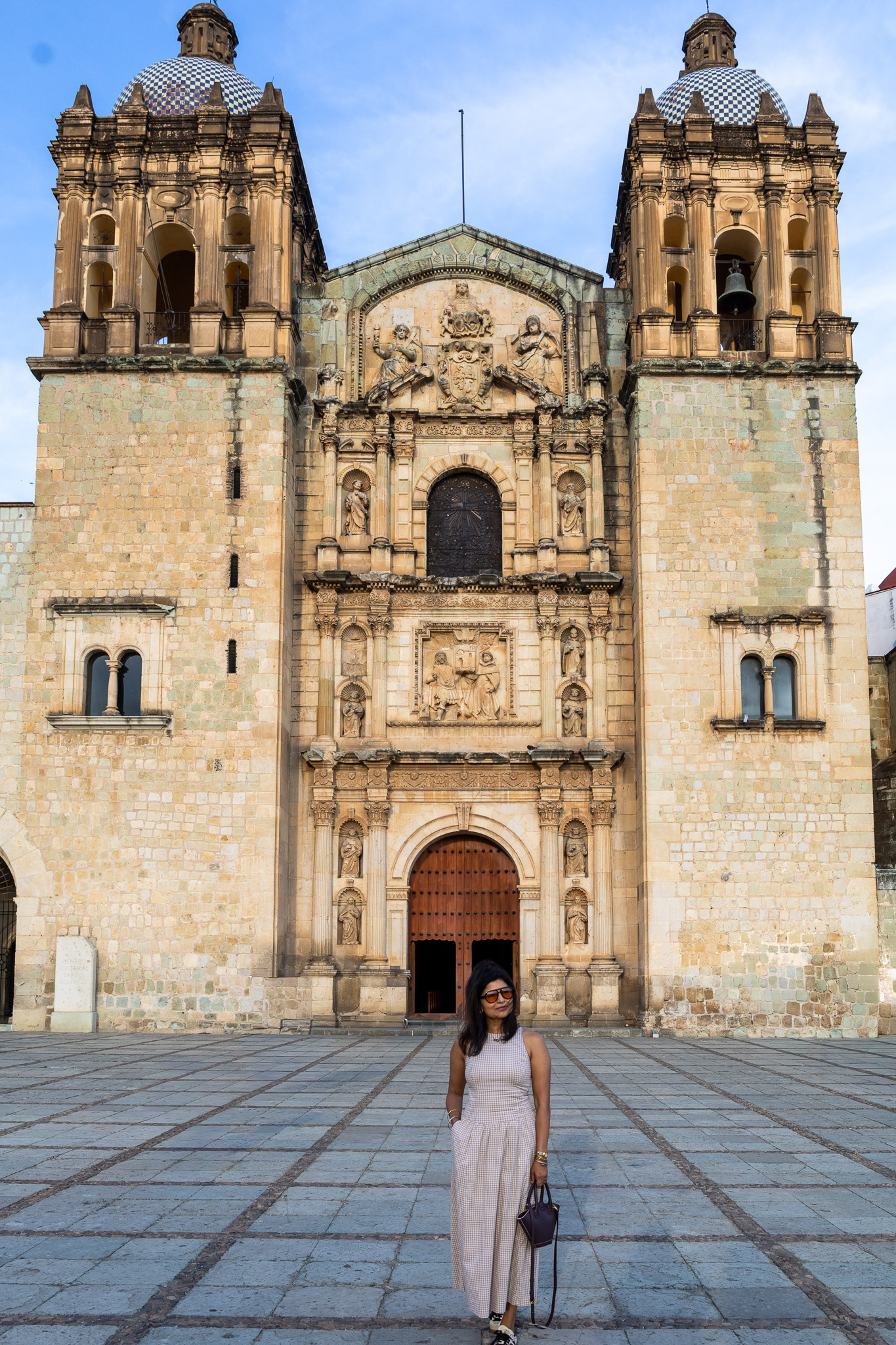
- Visit Templo de Santo Domingo de Guzmán, one of Oaxaca’s most iconic landmarks and a beautiful place to begin your trip.
- Wander through the streets of Centro Histórico without a strict agenda—the prettiest courtyards, cafés, and architectural details are often the ones you discover accidentally.
- Explore Mercado Benito Juárez, a wonderful introduction to local food, crafts, and everyday Oaxacan life. The official Oaxaca tourism site lists Mercado Benito Juárez as open daily from 7 AM to 9 PM.
- Enjoy a relaxed first dinner close to your hotel; order mole or a tlayuda, and let Oaxaca do what Oaxaca does best — feed you into happiness.
Day 2 — Monte Albán, Markets & Mezcal
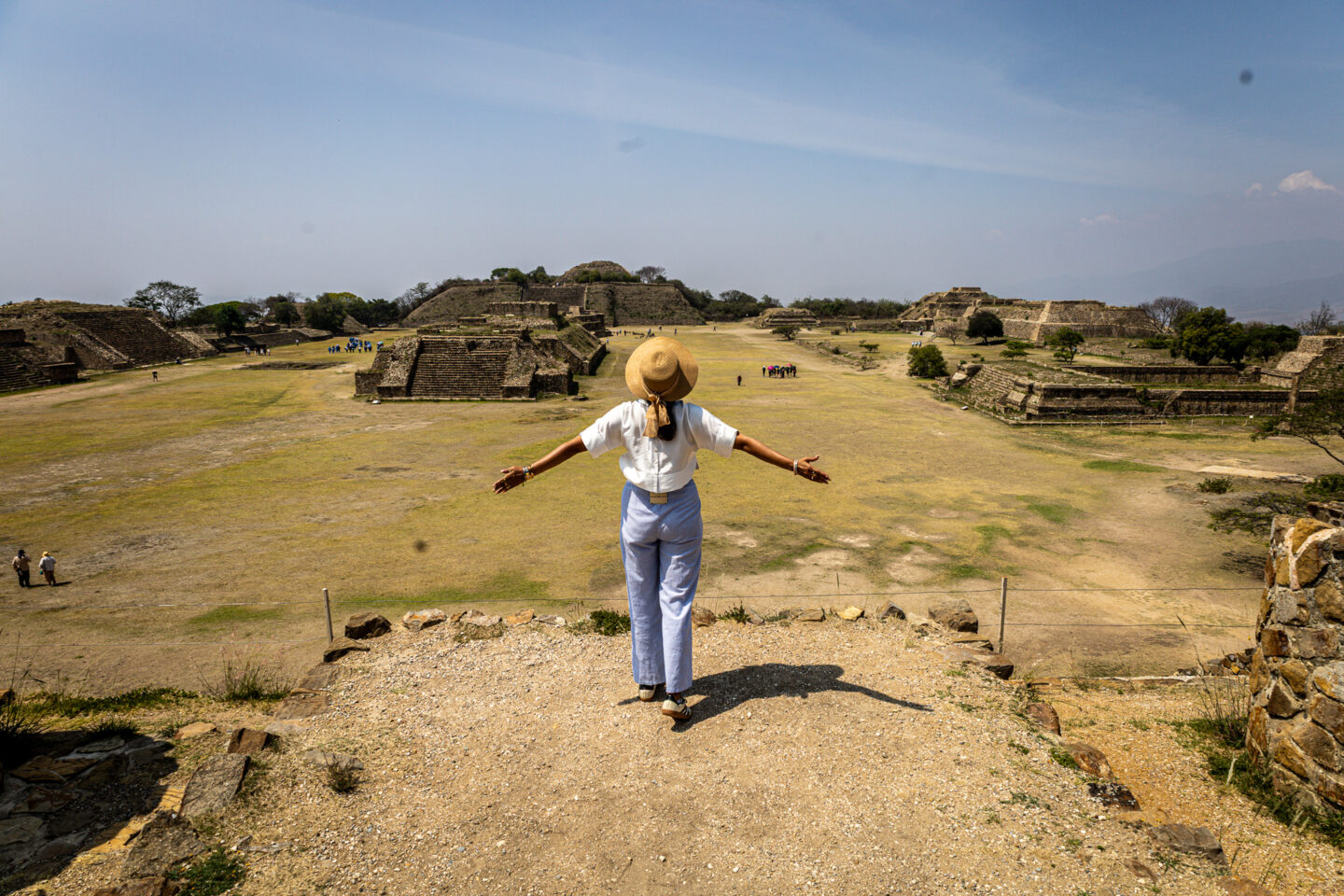
- Start early at Monte Albán, one of Mexico’s most important archaeological sites and part of the UNESCO-recognized cultural landscape of Oaxaca. Monte Albán sits above the Oaxaca Valley, and the views alone are worth the trip. UNESCO describes Monte Albán as a sacred topography with terraces, canals, pyramids, dams, and artifical mounds literally carved out of the mountain.
- Plan for about 3–4 hours total, including transportation. You can go with a guide, join a tour, or
- hire a driver. A guide is worth it if you want the history to come alive rather than just looking at
- stones and pretending you know what you are looking at. We have all been there.
- Tip: Go early because there is limited shade, and the site is much more enjoyable before the
- midday heat.
- Stop at the nearby green pottery village on your return from Monte Albán to browse Oaxaca’s famous glazed ceramics and meet local artisans.
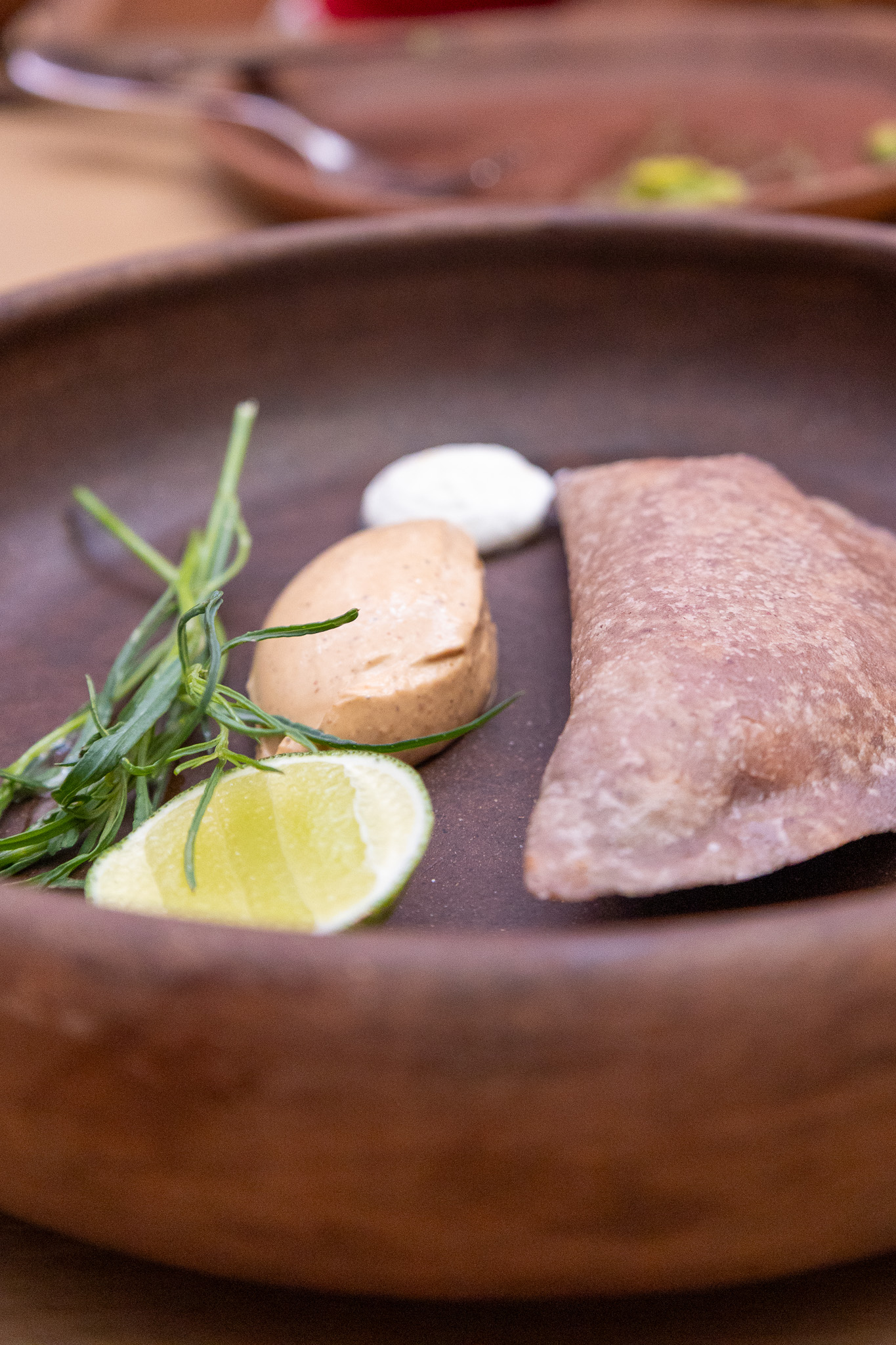
- Enjoy lunch at Levadura de Olla, a memorable introduction to thoughtful, deeply rooted Oaxacan cuisine.
- Return to your hotel for a restful afternoon—sit in the courtyard, enjoy a coffee, edit photos, or simply do nothing at all.
- Spend the late afternoon wandering Centro Histórico again, exploring galleries, small shops, and streets glowing in the golden-hour light.
- End the day with dinner at Adama, a relaxed and atmospheric setting perfect for lingering over a meal before a leisurely walk back to your hotel.
Day 3: Hierve el Agua, Mitla, Tule Tree & Artisan Villages
- Take a day trip to Hierve el Agua, one of Oaxaca’s most dramatic natural landscapes and famous for its mineral formations that resemble petrified waterfalls.
- Tip: Go early if possible. The light is softer, the crowds are lighter, and the whole place feels much more peaceful. Bring comfortable shoes, sunscreen, water, and a swimsuit if you want to dip into the mineral pools.
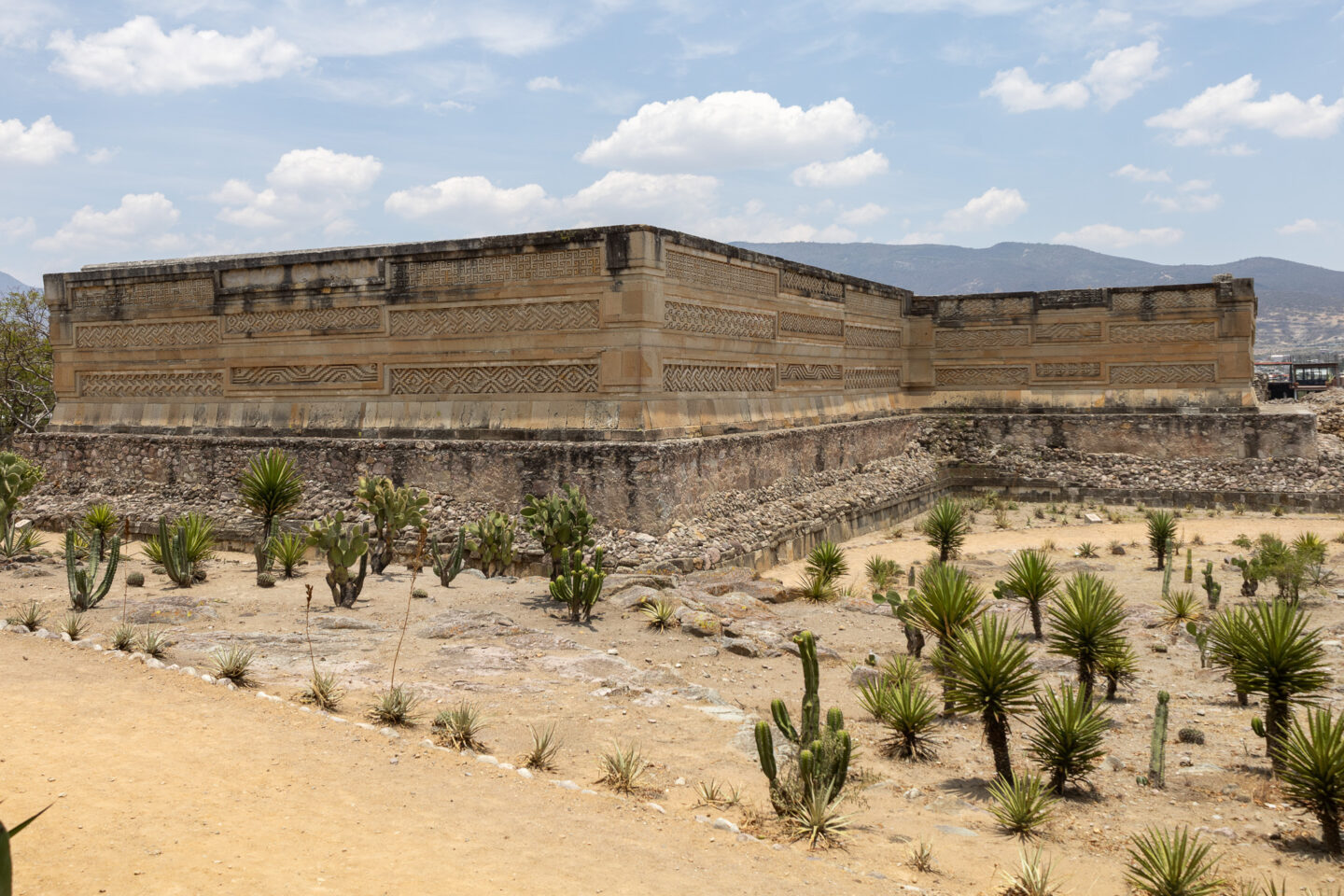
- Continue to Mitla, an archaeological site celebrated for its intricate geometric stonework and craftsmanship. If Monte Albán feels grand and open, Mitla feels detailed and intimate — less about scale, more about pattern, craft, and symbolism.
- Stop at Mezcalería Gracias a Dios for a mezcal tasting and to learn about agave varieties, production methods, and Oaxaca’s deep connection to mezcal culture. Even if you are not a big drinker, the craftsmanship behind it is fascinating.
- Visit Casa Pochote, an artisan shop showcasing beautiful local craftsmanship and handmade goods.
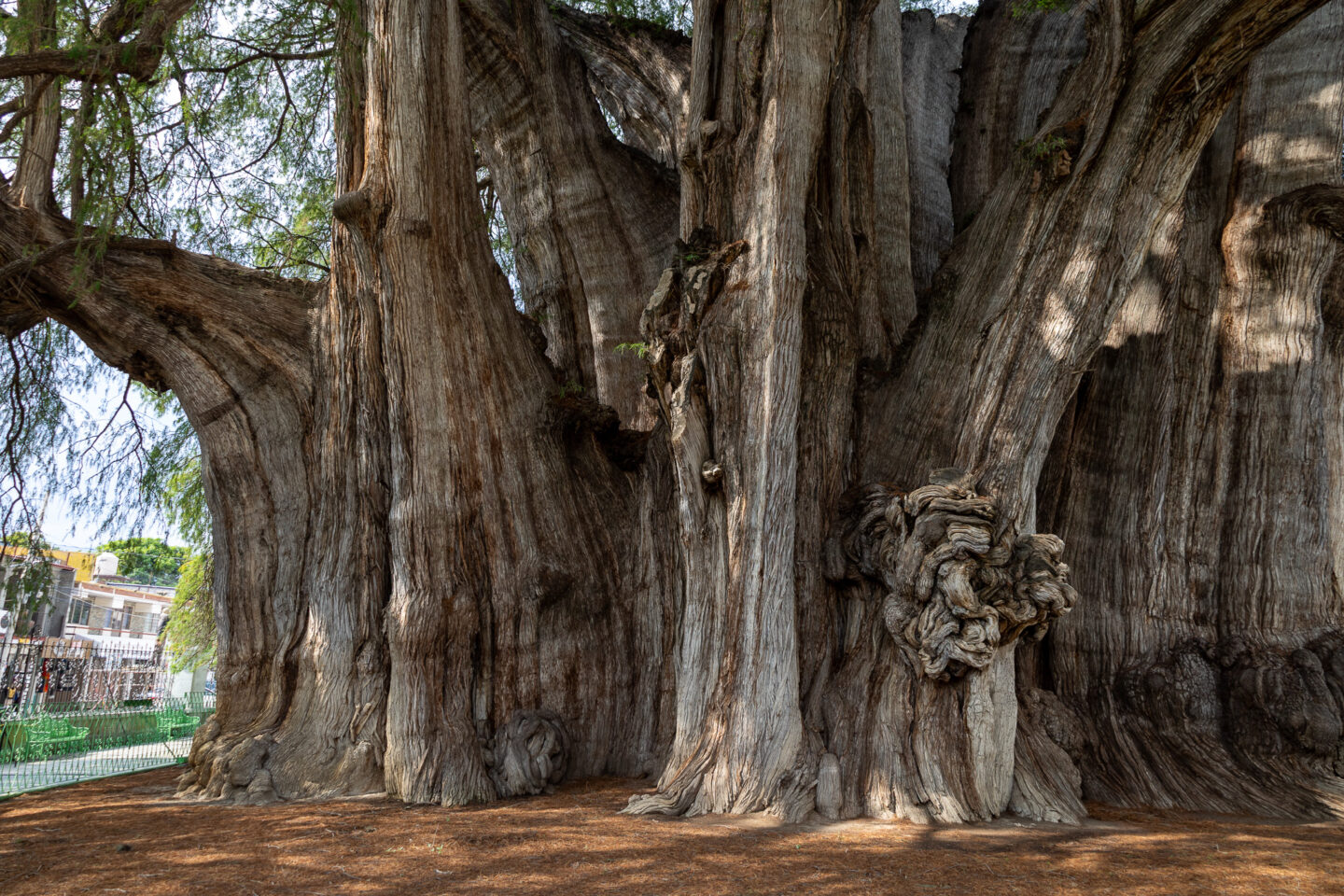
- End the day with a stop at the El Tule Tree, one of the most famous natural landmarks near Oaxaca. It is a massive Montezuma cypress tree, and while it may sound like a quick roadside stop, it is genuinely impressive in person.
Day 4 — Jalatlaco, Shopping & A Beautiful Farewell
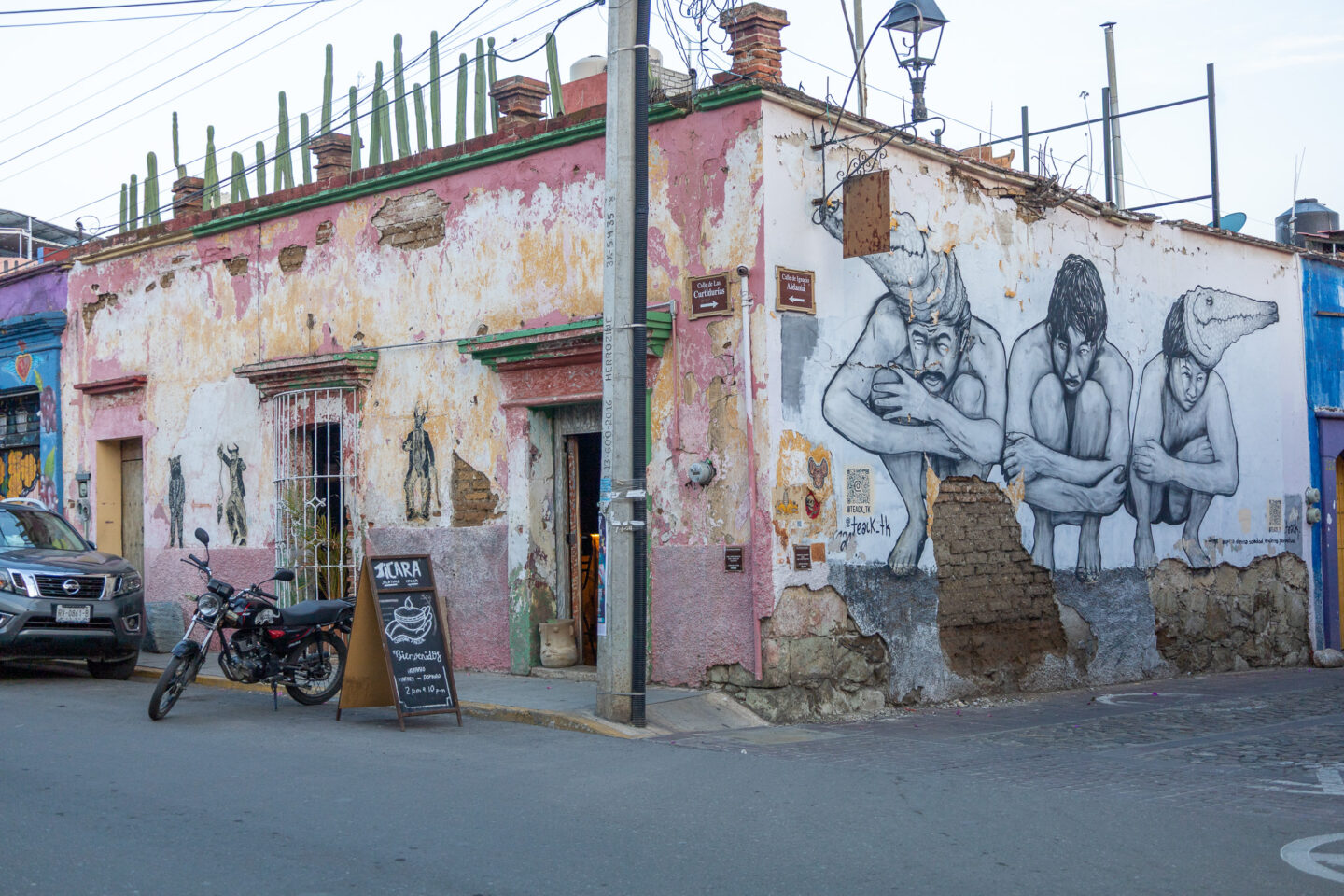
- Start your morning in Jalatlaco, one of the prettiest neighborhoods in Oaxaca City. It is colorful, artsy, and full of murals, quiet streets, cafés, and charming corners.
- Use your last afternoon for shopping. Oaxaca is a wonderful place to buy things that actually feel connected to place — textiles, pottery, baskets, candles, chocolate, mezcal, and small homeware pieces. Look for pieces that are handmade, locally sourced, and fairly priced. If you are buying textiles or ceramics, ask where they are made. The stories behind the objects are part of what makes them special.
- For your last night, book one special dinner. Oaxaca has a very high percentage of Michelin recommended or Michelin guide restaurants. These names came highly recommended although I did not try any of them – Criollo, Los Danzantes and Alfonsina. Oaxaca has everything from traditional family-run spots to elevated tasting-menu restaurants. I would choose somewhere that feels rooted in local ingredients rather than overly trendy.
Where To Stay
Best areas to stay:
- Centro Histórico
- Best for first-time visitors who want to walk everywhere—restaurants, markets, Santo Domingo, galleries, shops, and rooftop bars are all within easy reach.
- Jalatlaco
- A colorful neighborhood filled with murals, cafés, cobblestone streets, and a slower pace. Ideal for travelers who enjoy beautiful morning walks and a more local atmosphere.
- Xochimilco
- Quieter and more artistic, while still remaining close enough to the city’s main attractions.
Our pick:
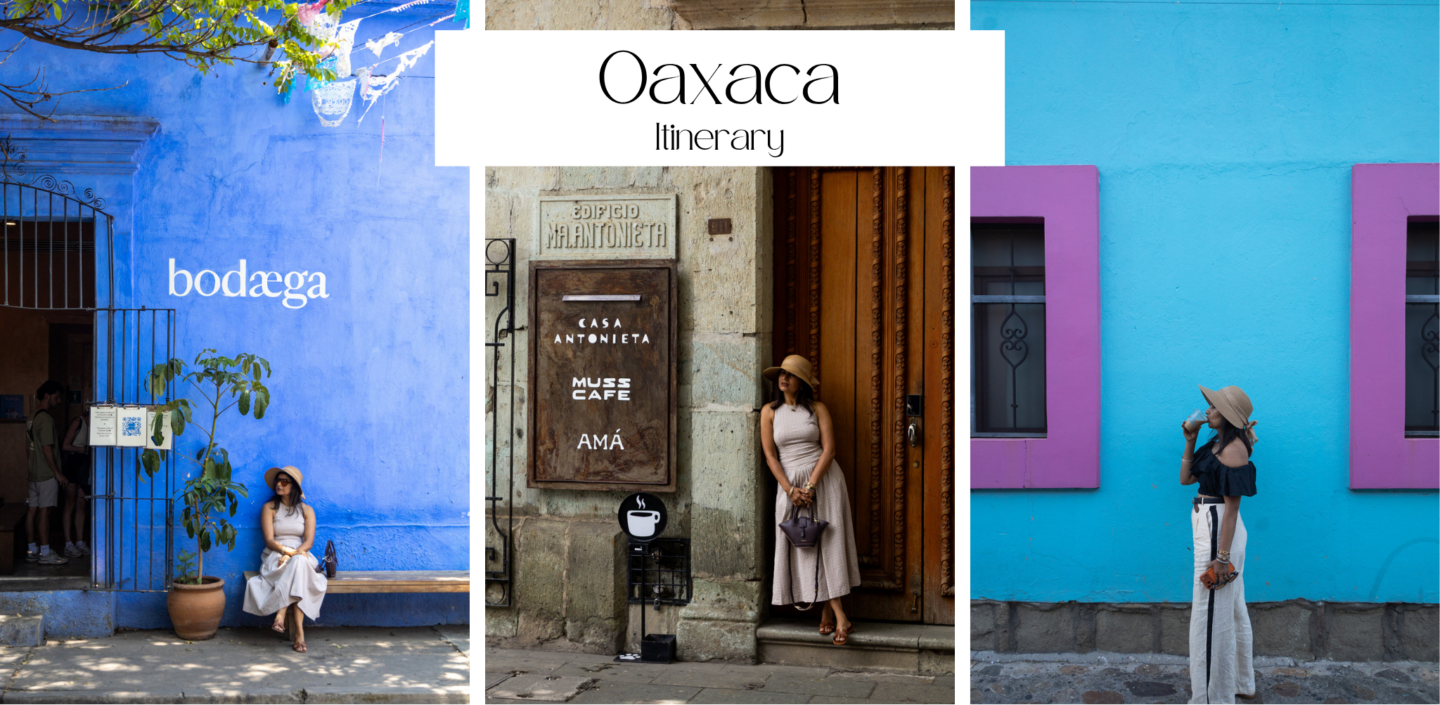
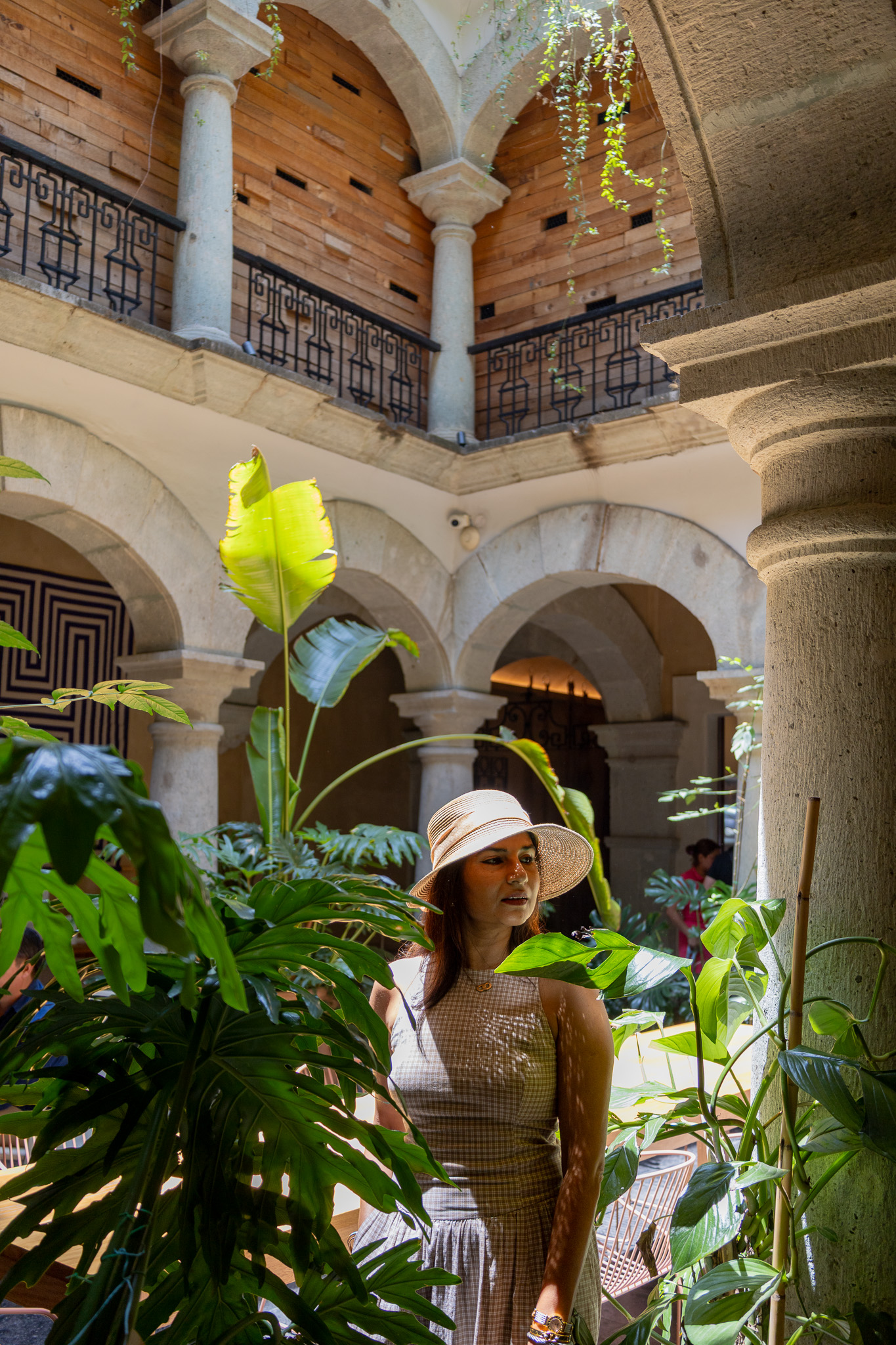
Casa Antonieta: Located in Centro Histórico, Casa Antonieta is a beautifully designed boutique hotel that perfectly captures Oaxaca’s blend of style, culture, and relaxed sophistication. We stayed here during our visit and would highly recommend it for first-time visitors looking for a centrally located, design-forward hotel that feels like part of the Oaxaca experience rather than simply a place to sleep.
What To Eat
Must try Oaxacan foods:
- Mole – Oaxaca is famous for mole, especially mole negro. It is rich, complex, and one of the defining
- dishes of the region.
- Tlayudas – Large crispy tortillas topped with beans, cheese, meat, and salsa.
- Memelas – Thick corn masa cakes topped with beans, cheese, salsa, and sometimes meat.
- Quesillo – Oaxaca’s famous string cheese.
- Chapulines – – Toasted grasshoppers; traditional and worth trying if you’re adventurous.
- Tejate – A pre-Hispanic drink made from corn and cacao.
- Oaxacan Chocolate – Enjoy it as hot chocolate or bring some home as a souvenir.