Ecuadorian Amazon & Quito
Location: Eastern Ecuador, in the Amazon Basin along the Napo River and surrounding rainforest.
Gateway City: Coca — main hub for travelers to the Amazon.
Currency: US Dollar (USD).
Language: Spanish (English spoken in tourist areas and at lodges).
Time Zone: Ecuador Time (ECT, UTC–5).
Best Time to Visit: December–May: Wet season, lush rainforest, active wildlife. June–November: Drier season, easier hiking and river travel, still abundant wildlife.
Main Airport: Francisco de Orellana Airport (Coca) — gateway to Amazon lodges.
Getting Around: Guided river and canoe excursions, motorized boats, lodge-arranged tours, and short hikes through the rainforest.
What to Expect
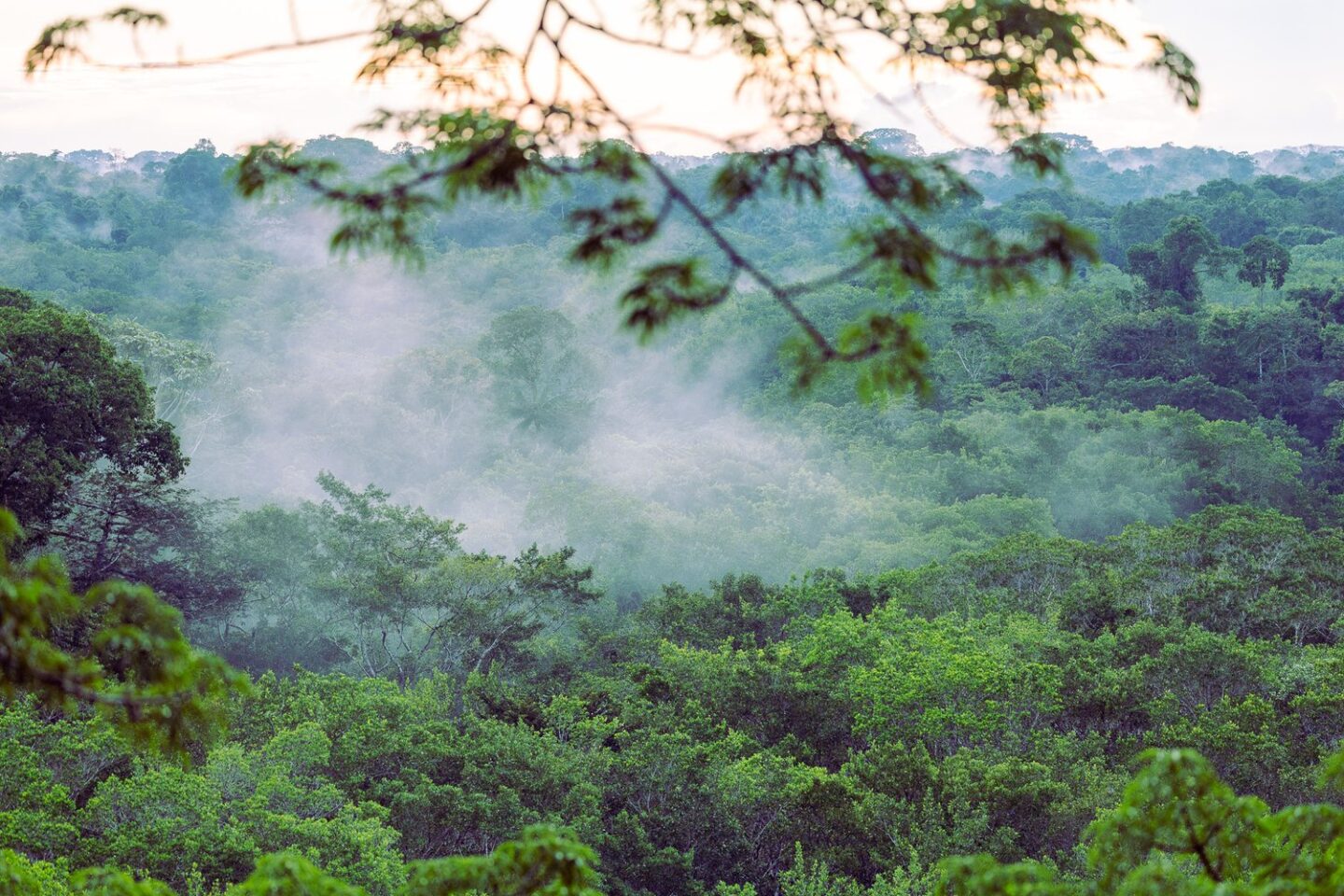
The Ecuadorian Amazon offers an unparalleled opportunity to experience one of the most biodiverse regions on Earth. Dense rainforest, winding rivers, and vibrant wildlife await at every turn. Visitors can spot monkeys, colorful birds, exotic fish, and even elusive nocturnal creatures while learning about conservation efforts and indigenous communities. Combined with Quito’s colonial charm, this adventure blends nature, culture, and exploration.
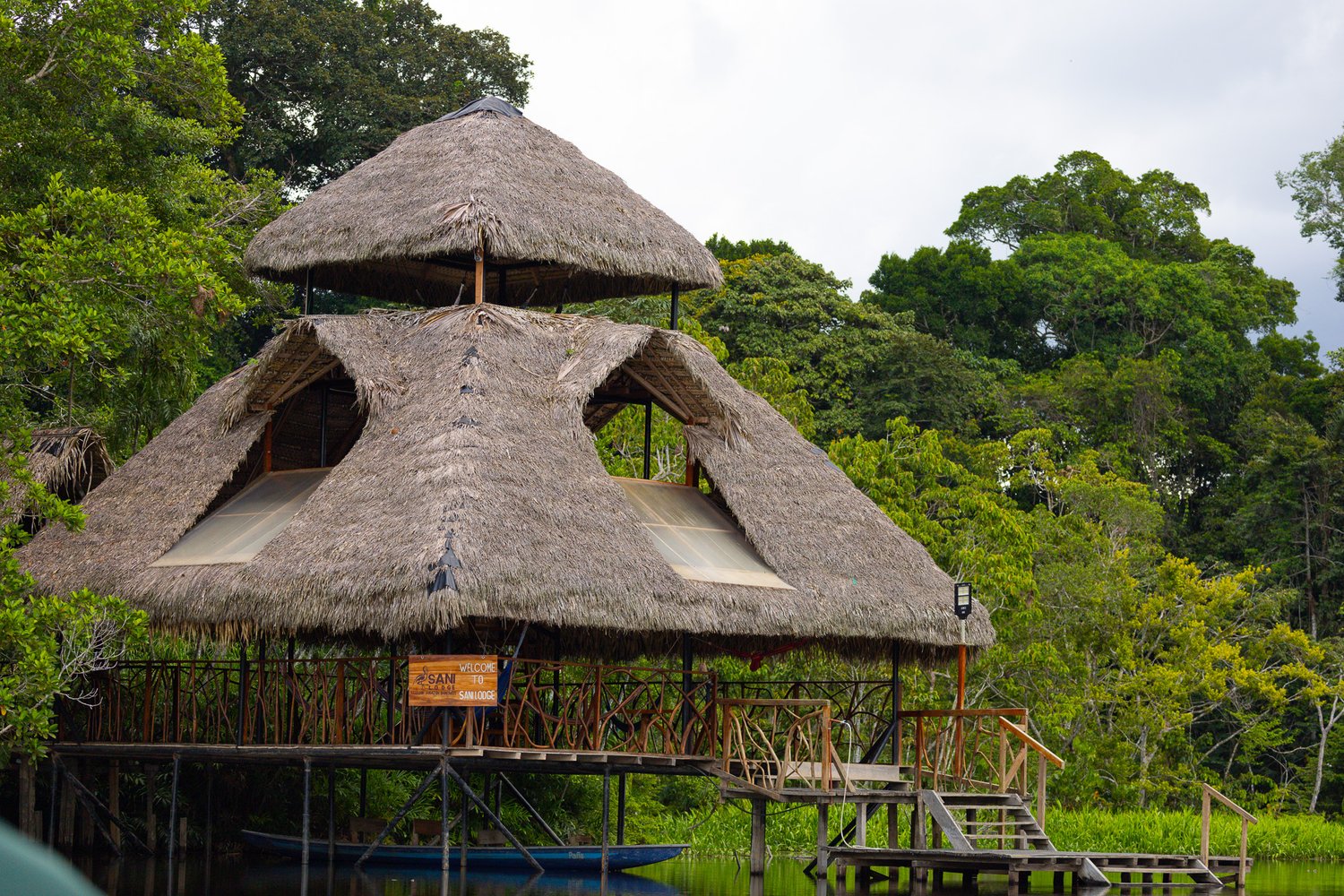
Sani Lodge ensures every detail of your Amazon adventure is thoughtfully managed. From guided hikes and river excursions to cultural experiences with local communities, their expert team makes it easy to fully immerse yourself in the rainforest while enjoying comfort and eco-friendly accommodations.
Day 1: Arrival and Introduction to the Amazon
- Fly from Quito to Coca (~40 minutes).
- Meet your Sani Lodge guide at the airport and transfer by bus to the river pier.
- Take a 2.5-hour ride down the Napo River: first by speedboat, then a quieter paddle canoe to the lodge. Keep an eye out for wildlife along the banks.
- Arrive at Sani Lodge and enjoy a welcome drink and introduction to the eco-friendly facilities.
- Short orientation hike in the surrounding jungle.
- Dinner featuring locally sourced ingredients.
- Night-walk to spot frogs, insects, and other nocturnal creatures.
Day 2: Immersive Amazon Exploration
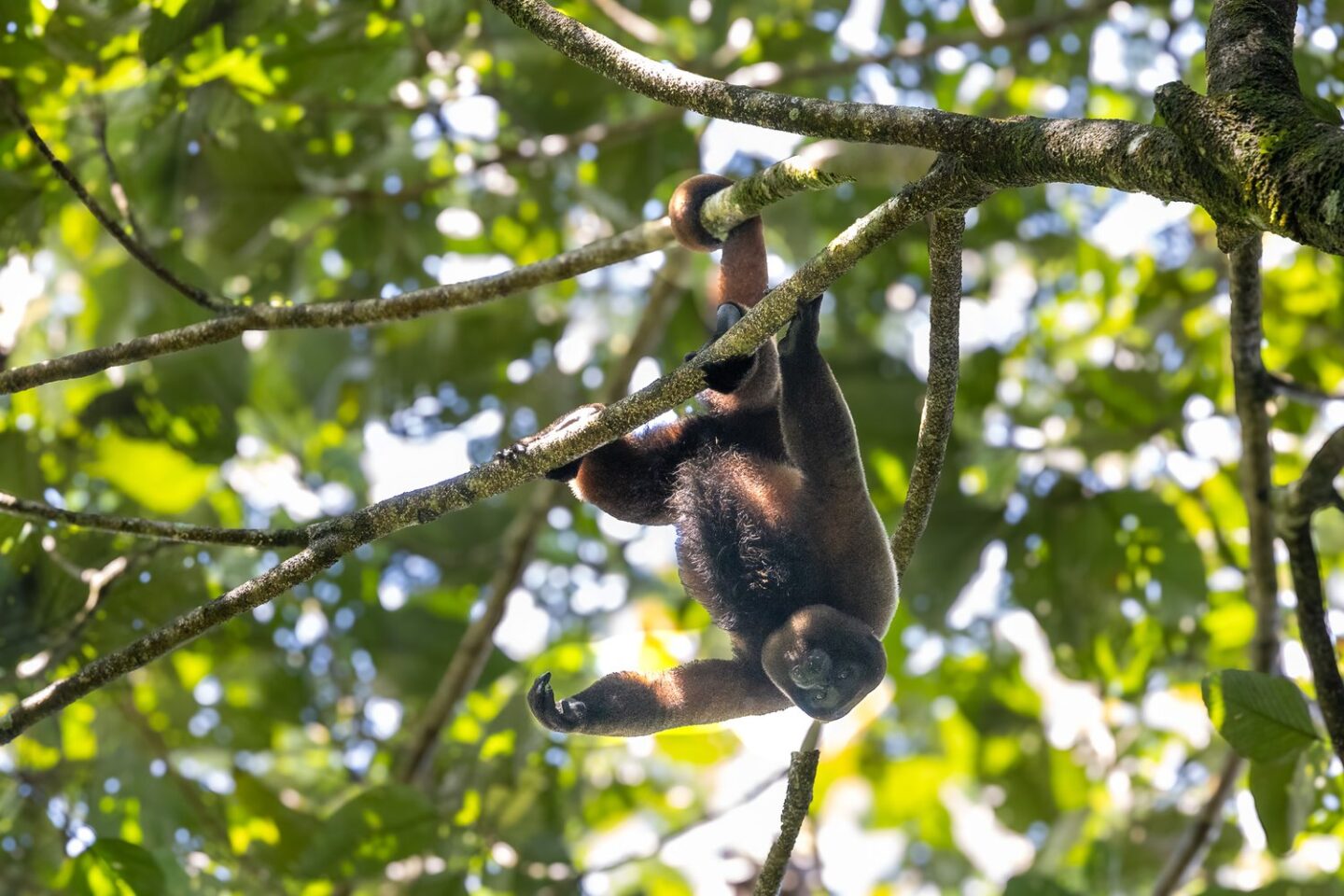
- Morning guided rainforest hike after breakfast; learn about the ecosystem and spot wildlife.
- Return to the lodge for lunch and rest.
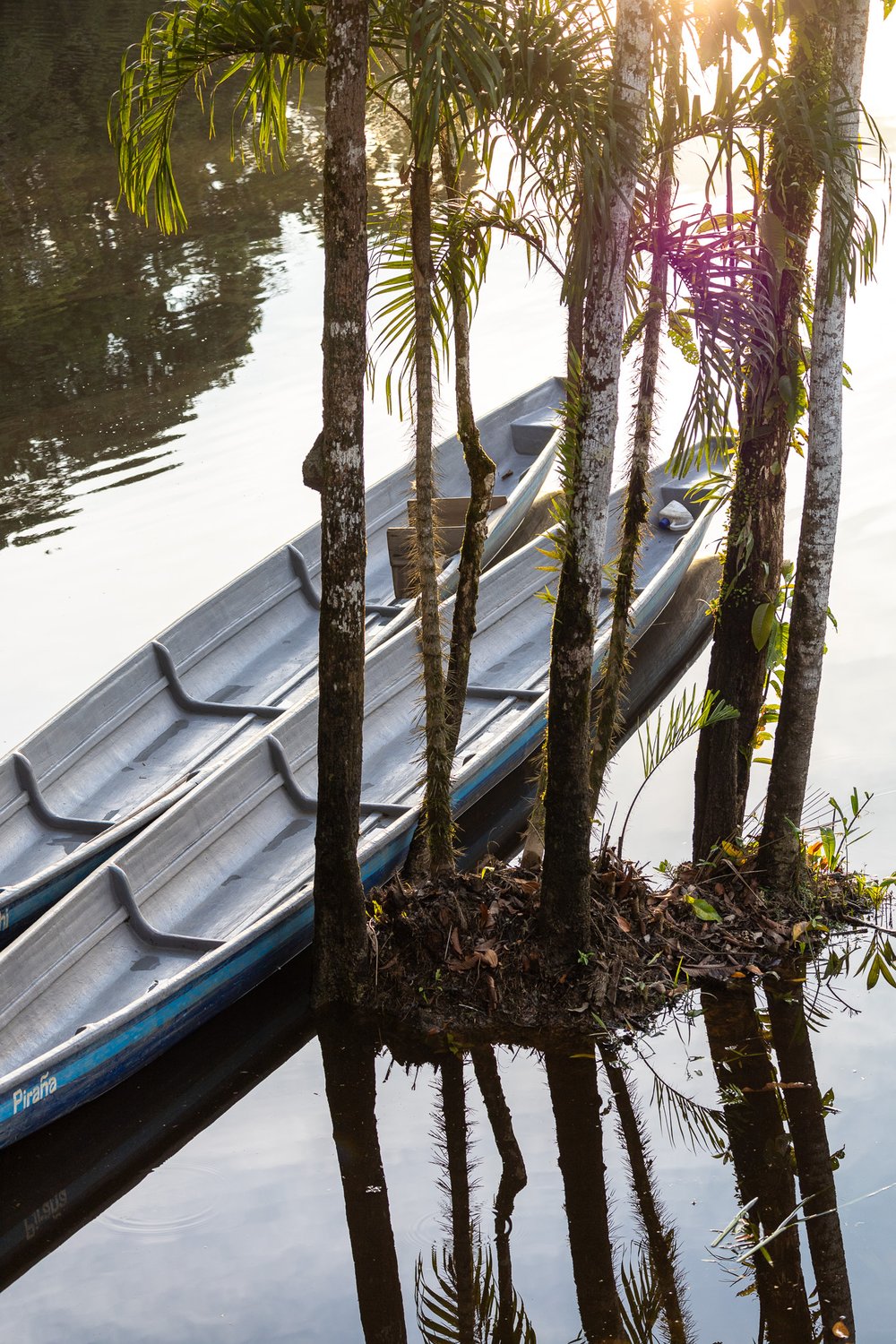
- Afternoon excursion: piranha fishing on the river.
- Evening at leisure to enjoy the sounds of the jungle.
Day 3: Visit Kichwa Community & Canopy Tower
- Early wake-up at 4 AM; breakfast before boarding a motor canoe.
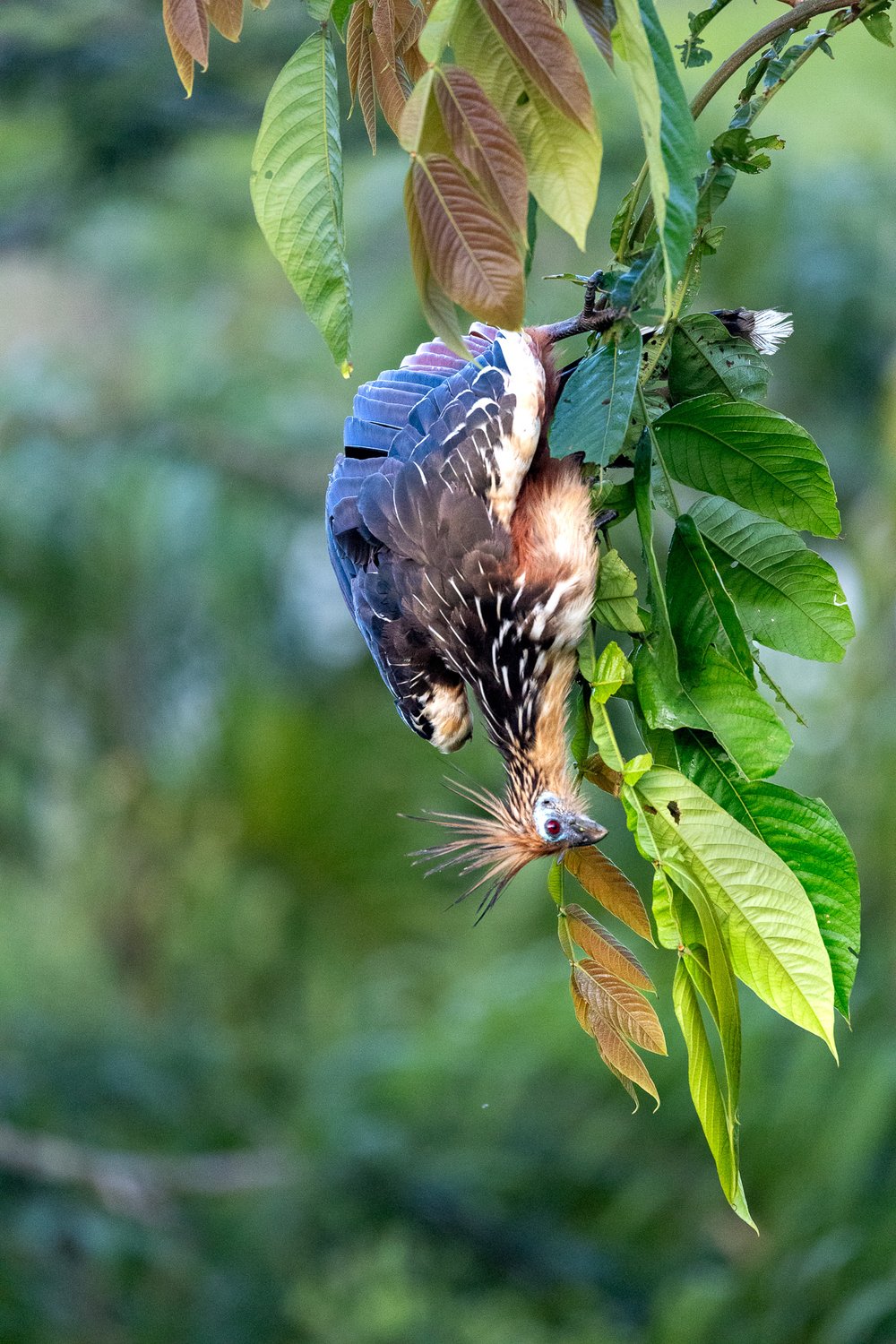
- Visit the Parrot Clay Lick in Yasuni National Park to observe colorful parrots.
- Guided hike in Yasuni National Park to explore more wildlife.
- Visit Sani Isla Community Center to learn about Kichwa culture. Participate in an Amazonian cooking class.
- Return to the lodge for a late afternoon visit to the canopy tower. Spot toucans, parrots, and other exotic birds from above the treetops at sunset.
Day 4: Return to Quito & Explore the City
- Early morning canoe ride on the lagoon to enjoy the tranquility of the Amazon.
- Return to Coca by canoe and boat, then fly to Quito.
- Stay in La Mariscal, a lively area with restaurants, shops, and plazas.
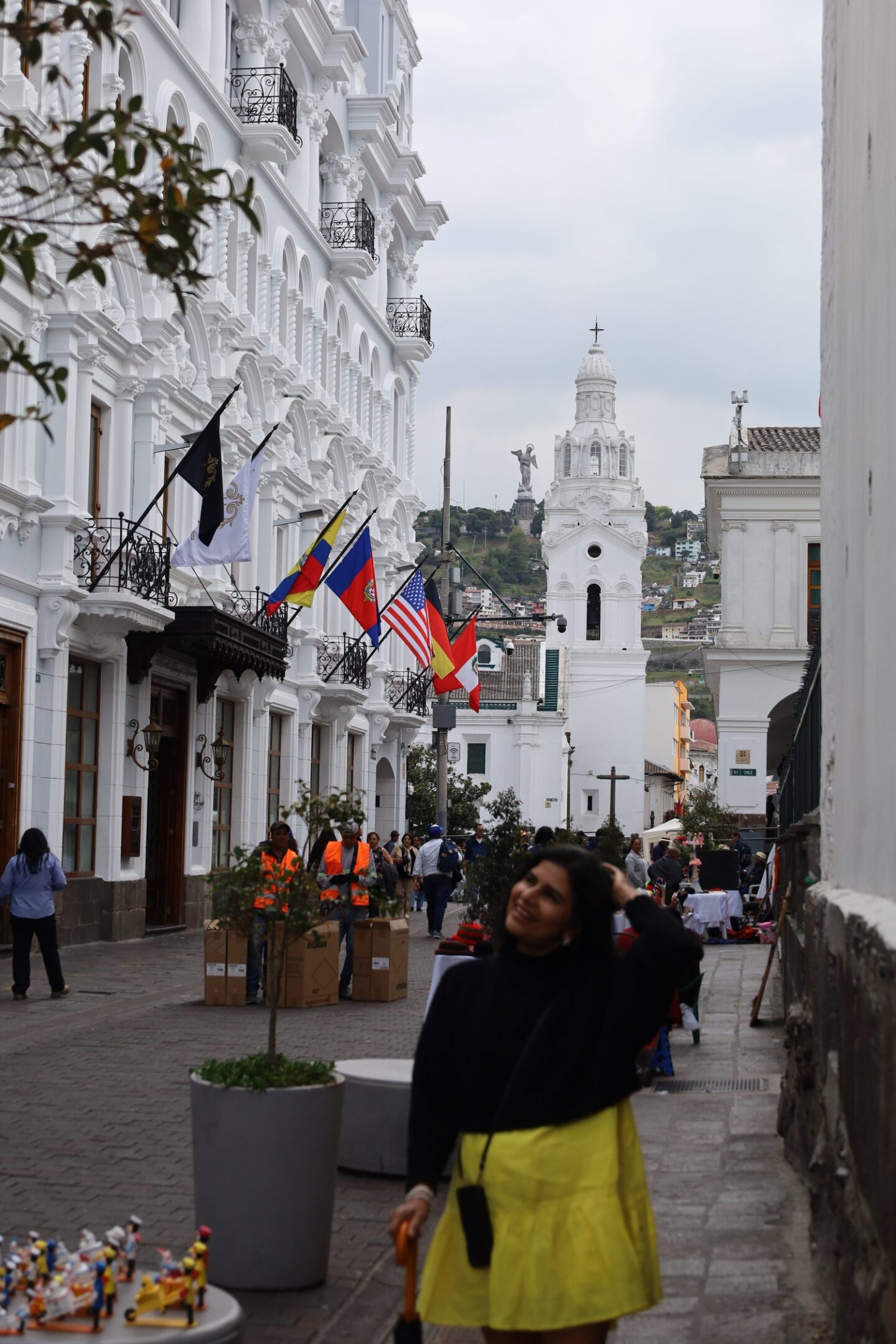
- Afternoon walking tour of Quito’s historic center: cobblestone streets, centuries-old churches, and vibrant markets.
- Visit Mitad del Mundo to stand on the equator.
- Take the Teleférico cable car up Pichincha Volcano for panoramic views of Quito.
Galapagos
Location: Pacific Ocean, about 1,000 km (620 miles) off the coast of Ecuador.
Gateway City: Puerto Ayora (Santa Cruz Island) — main hub for travelers.
Currency: US Dollar (USD).
Language: Spanish (English spoken in tourist areas).
Time Zone: Galápagos Time (GALT, UTC–6).
Best Time to Visit: January–May: Warmer, wetter season with calmer seas (best for snorkeling and diving). June–December: Cooler, drier season with nutrient-rich waters (best for wildlife spotting).
Main Airports: Seymour Airport (GPS) on Baltra Island and San Cristóbal Airport (SCY) on San Cristóbal Island.
Getting Around: Inter-island boats, small planes, organized day tours, and walking in towns.
What to Expect
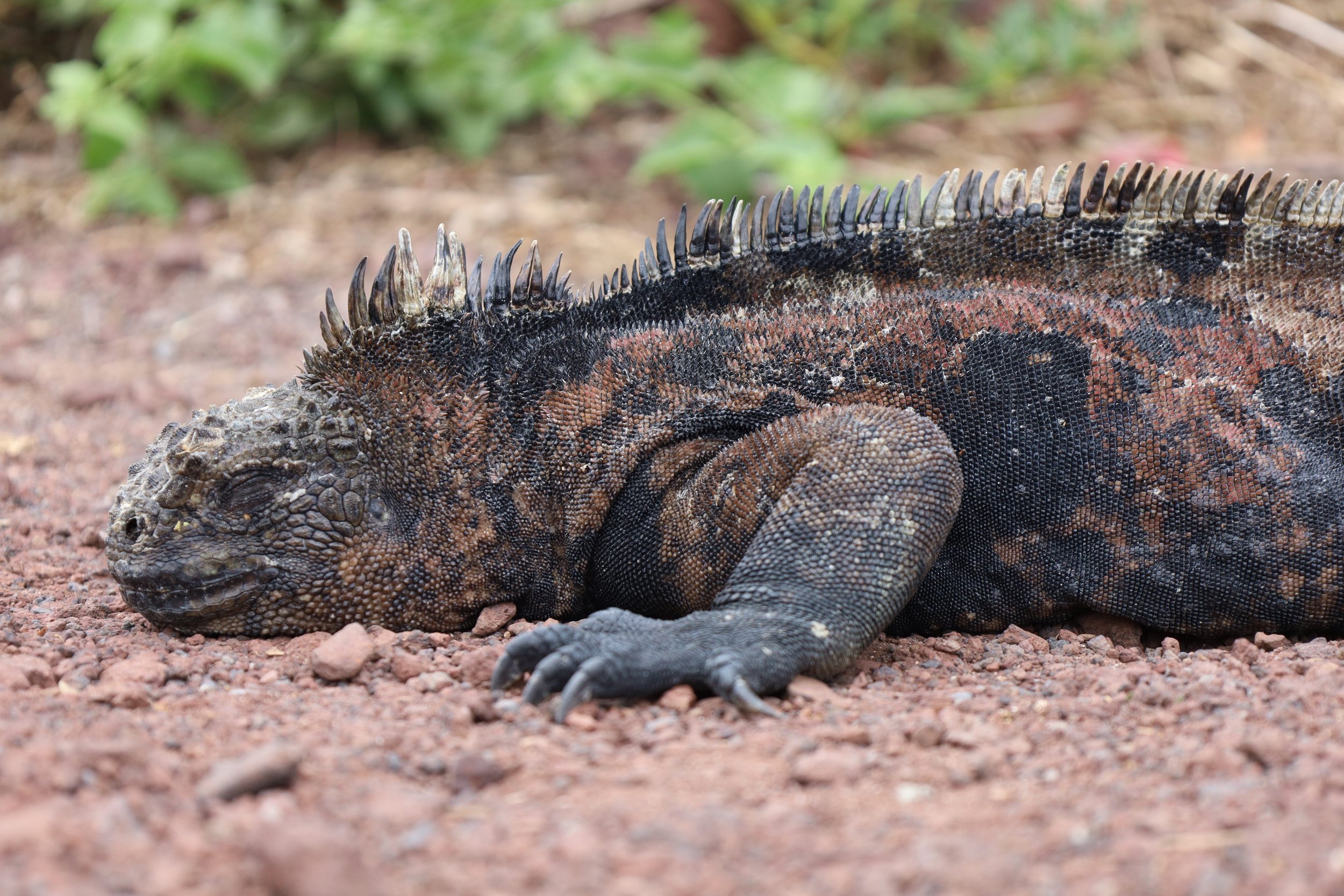
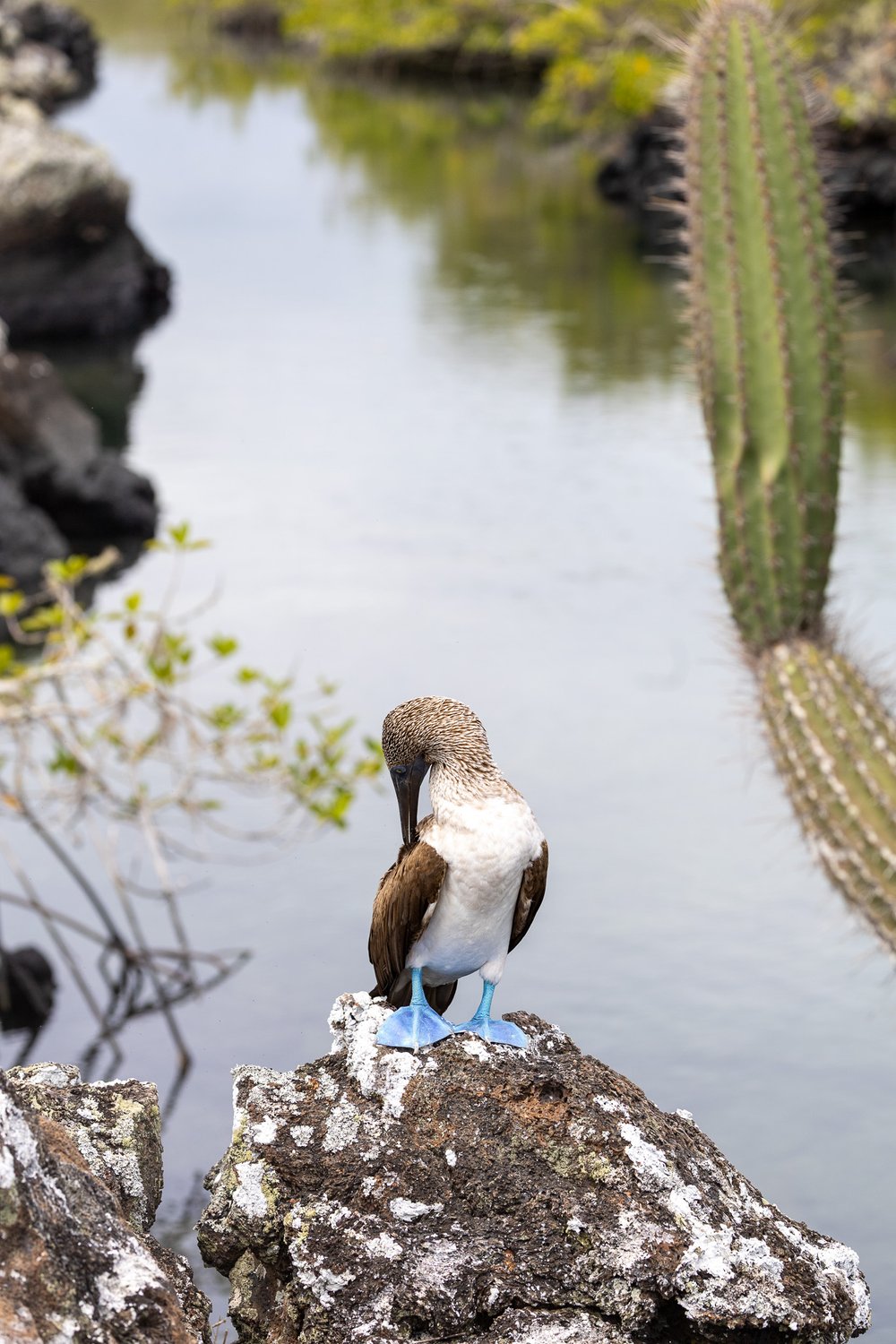
The Galápagos is one of the most biodiverse places in the world, home to species found nowhere else. It’s here that Charles Darwin’s observations inspired his theory of evolution, and today visitors can experience firsthand the incredible adaptations of animals like the marine iguana and blue-footed booby. The islands also feature stunning volcanic landscapes, pristine beaches, and some of the best snorkeling and diving spots in the world.
Top Islands to Visit:
- Santa Cruz Island
- San Cristóbal Island
- Isabela Island
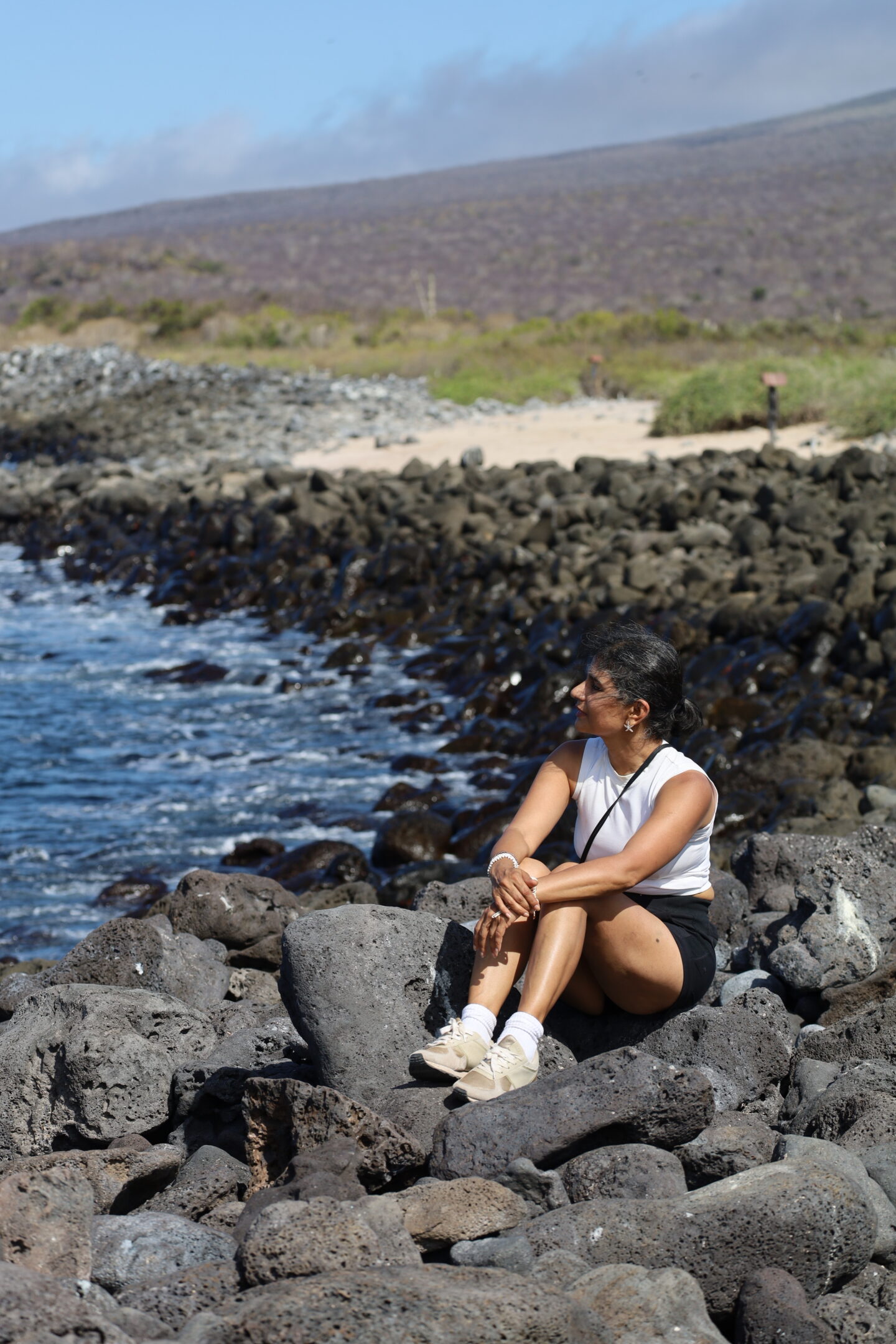
Each island in the Galápagos offers something unique. While many visitors explore the islands on guided cruises, you can also stay on land and take day trips.
Day 1: Arrival in Santa Cruz
- Fly into Baltra Airport, then transfer by bus and boat to Santa Cruz Island.
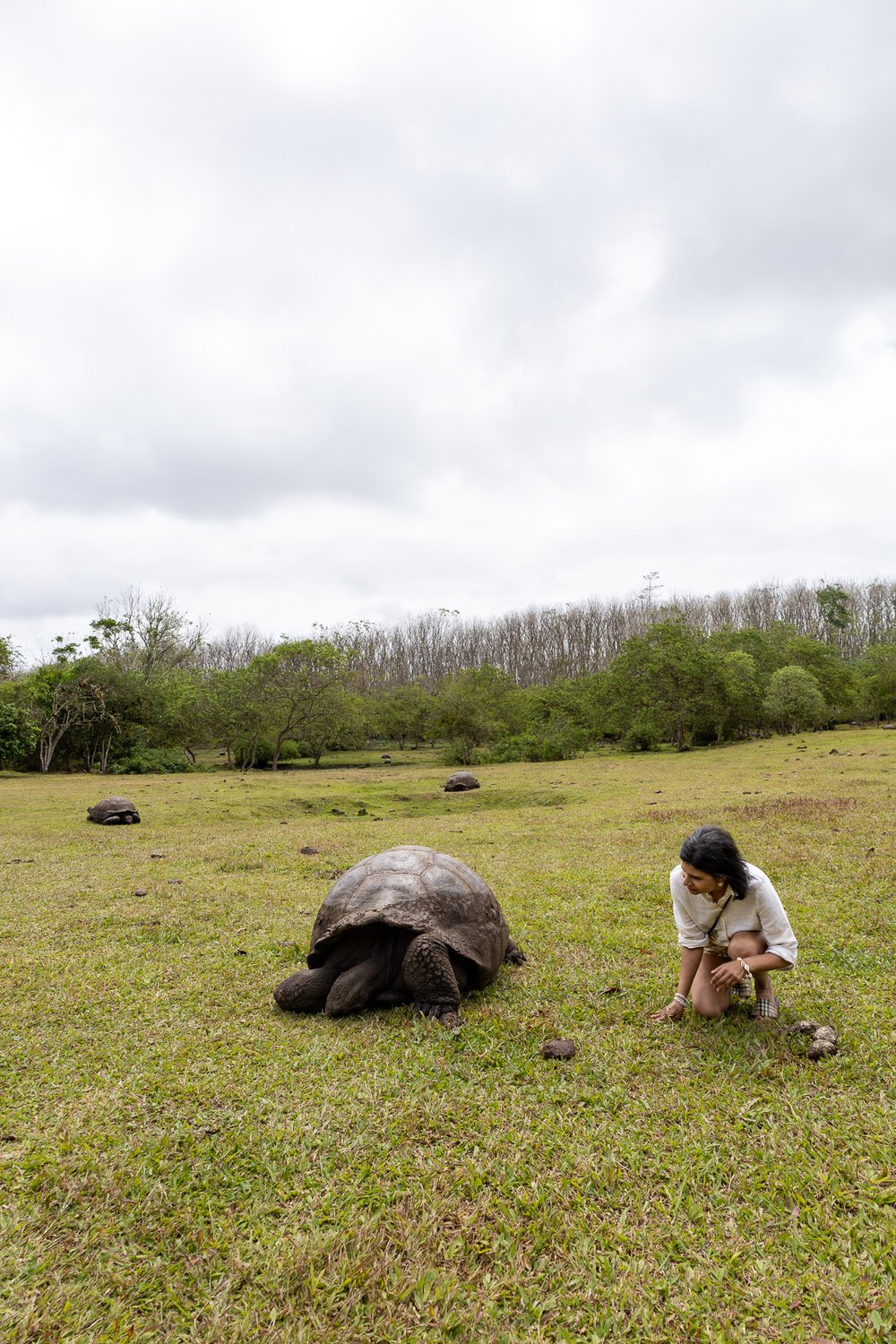
- Stop at the Highlands of Santa Cruz for lunch and to see giant tortoises roaming freely at El Chato Reserve.
- Visit the Charles Darwin Research Station to learn about conservation efforts.
- Accommodation:
- Luxury: Finch Bay Hotel
- Mid-range: Ikala Hotel
- Coffee stop: 1835 Coffee Lab (highly recommended).
Day 2: Isabela Island
- Early morning boat transfer to Isabela Island (~2 hours; departures at 7 AM). Be prepared for a choppy ride.
- Check into accommodations:
- Mid-range: La Casa Marita (funky boutique hotel)
- Luxury: Iguana Crossing
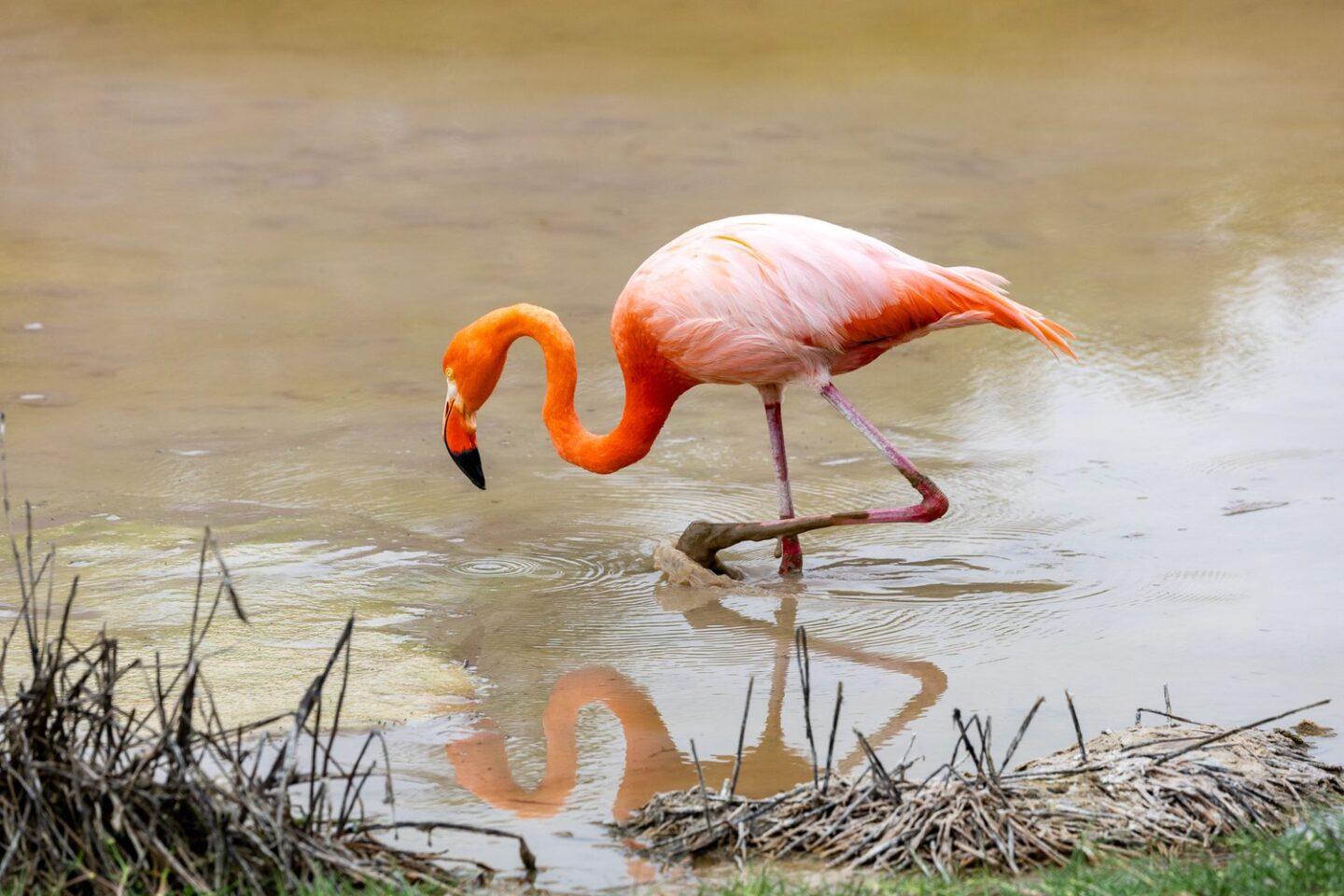
- Morning walk to Flamingo Lagoon, the best spot to see pink flamingos wading in brackish waters, surrounded by mangroves.
- After lunch, take a trip to Tintoreras Islet to spot white-tip reef sharks resting in lava crevices and see Galápagos penguins up close.
- Dinner at La Casa Marita.
Day 3: San Cristóbal Island
- Boat transfer to San Cristóbal Island (~3 hours; ride can be choppy — bring sea-sickness medication).
- Check into accommodations:
- Luxury: Golden Bay Galápagos
- Luxury: Hotel Indigo, Galápagos
- Afternoon excursion to Lobos Island (Isla Lobos):
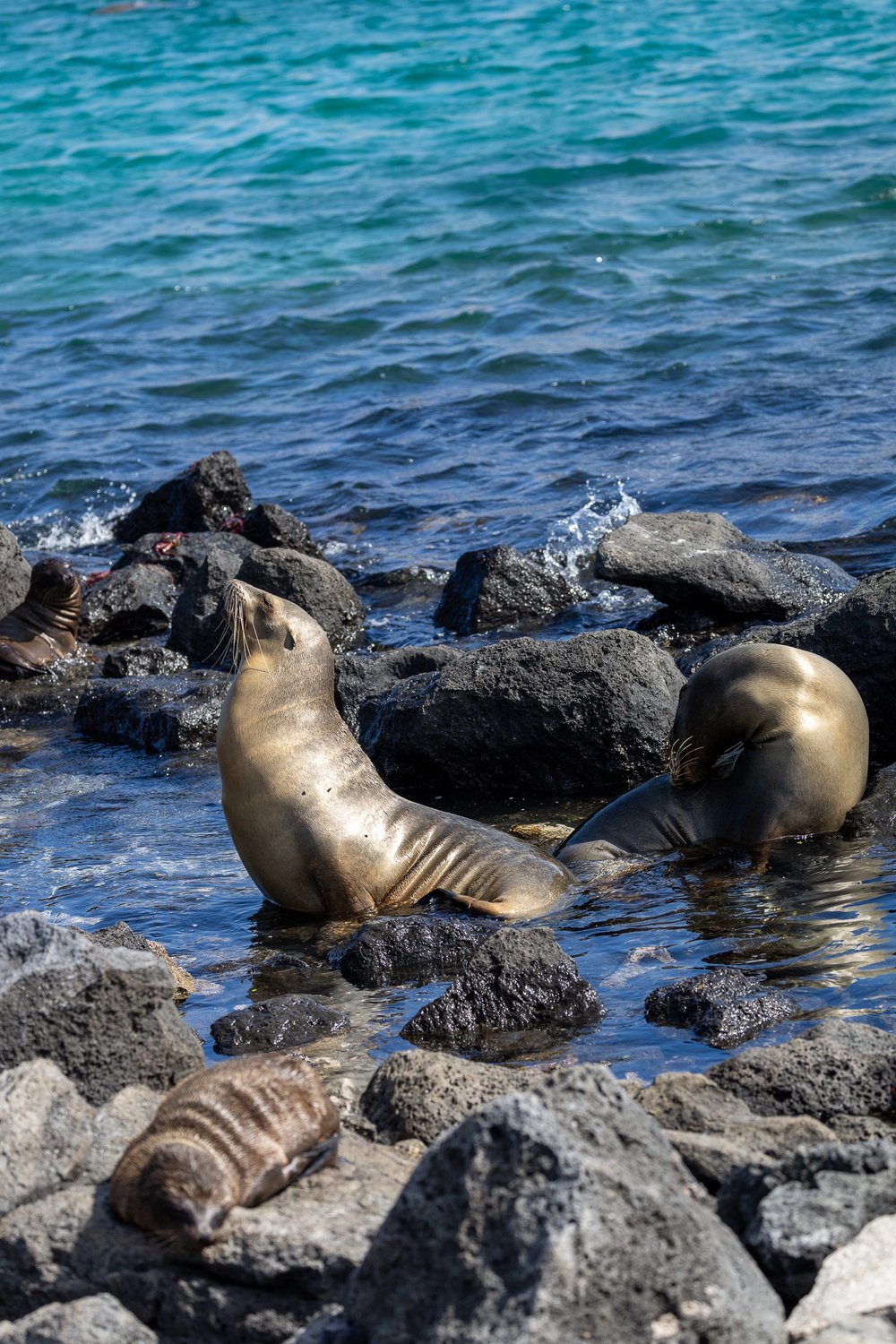
- Encounter playful Galápagos sea lions both onshore and in the water.
- Spot blue-footed boobies and frigatebirds nesting.
- Dinner at Iska (famous for excellent pizzas).
Day 5: Kicker Rock Snorkeling (León Dormido)
- Full-day excursion to Kicker Rock, one of the most iconic snorkeling and diving sites in the Galápagos, located off the coast of San Cristóbal Island. This dramatic, towering rock formation—split into two sheer cliffs—rises from the ocean, creating a narrow channel teeming with marine life.
- Snorkel alongside white-tip reef sharks, hammerhead sharks, sea turtles, eagle rays, and vibrant schools of fish.
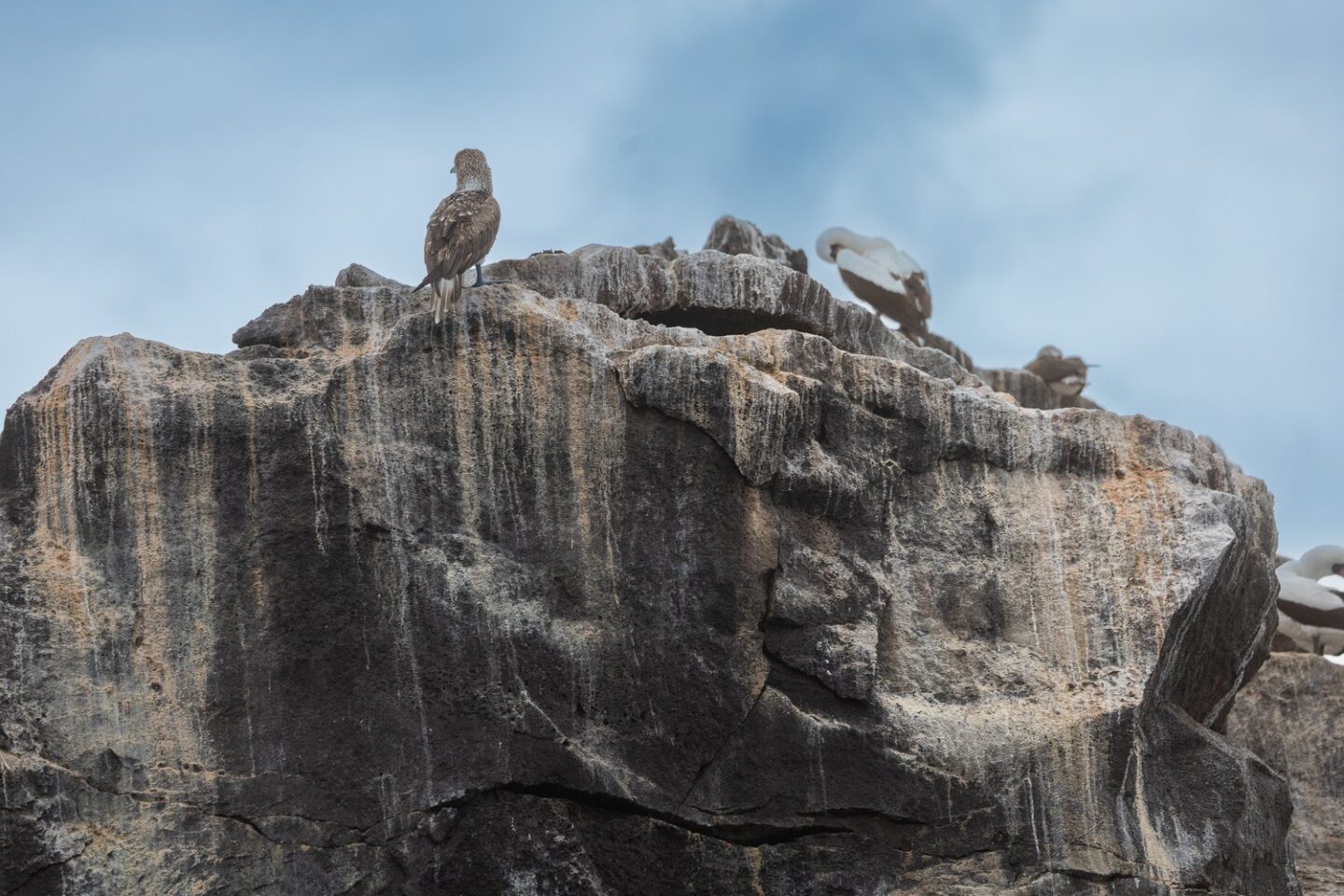
- Above the water, look out for nesting blue-footed boobies, frigatebirds, and Nazca boobies on the cliffs.
- Return to San Cristóbal in the evening.